Introduction
In today’s increasingly competitive online food marketplace, brands can no longer rely on guesswork to shape their pricing, menu, and delivery strategies. Every small change—whether it’s a new item added to a competitor’s menu, a shift in delivery charges, or a sudden surge in customer interest for a trending cuisine—has the potential to affect profitability. That’s where Grubhub Food Data Scraping steps in as a game-changing advantage for businesses that want decision-making grounded in real-time market clarity.
Understanding the direction of market trends requires tracking thousands of data points from restaurant listings, pricing schedules, delivery fees, customer sentiment, menu variations, and local preferences. Grubhub Menu Scraping Services at scale allows brands to decode the market and adapt their strategy with confidence. When companies monitor daily menu changes, shifting customer behaviors, and dynamic pricing decisions from competitors, they can optimize their offerings with the right timing and accuracy.
Grubhub has millions of active users and hosts a large volume of restaurant information, making it a crucial source for analyzing market patterns. Businesses using these insights are achieving up to 63% stronger results in competitive evaluations. With accurate and timely intelligence, they move faster, strategize smarter, and align offerings precisely with consumer demand—something traditional research simply cannot deliver.
Strategies for Optimizing Restaurant Offerings and Menu Performance
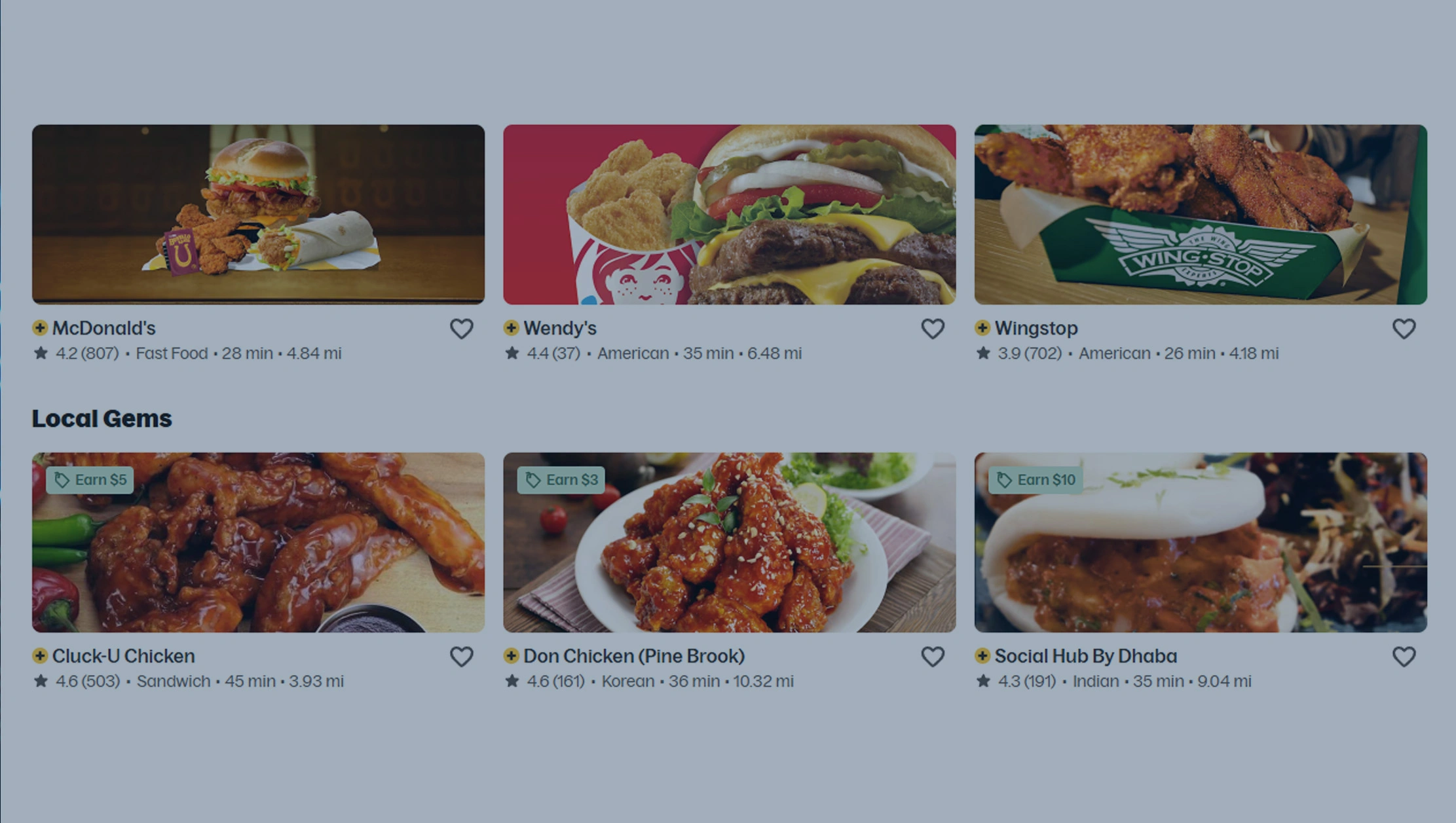
In the modern food delivery landscape, restaurants often struggle to determine which menu items resonate most with their customers. Understanding dish popularity, portion preferences, and pricing impact is critical to improving revenue and satisfaction. Many restaurants rely on assumptions rather than structured data, which can result in missed opportunities and underperforming items.
Using Grubhub Menu Data Extraction, businesses can evaluate competitor menus and discover patterns in customer choices. Restaurant Menu Data Scraping allows companies to gather data on menu layout, special offers, and ingredient trends across multiple competitors. This comprehensive view ensures strategic adjustments are aligned with actual market demands rather than guesswork.
| Metric | Current Performance | Competitor Benchmark | Recommended Adjustment |
|---|---|---|---|
| Popular Dish Rate | 42% | 55% | Introduce combo promotions |
| Average Price per Menu Item | $11.75 | $12.50 | Adjust mid-tier pricing |
| Customer Satisfaction Rating | 3.9/5 | 4.3/5 | Add seasonal specials |
Furthermore, integrating Online Food Platform Data Scraper can track competitor menu updates in real time. By monitoring trends, restaurants can strategically introduce new dishes, discontinue low-performing items, or adjust portion sizes to enhance appeal.
This approach also supports data-backed marketing campaigns and inventory optimization, reducing waste and increasing profitability. Restaurants that adopt a structured menu evaluation process gain a significant advantage, allowing them to meet customer expectations while outperforming competitors in menu innovation and overall operational efficiency.
Improving Pricing Strategy With Accurate Market Insights
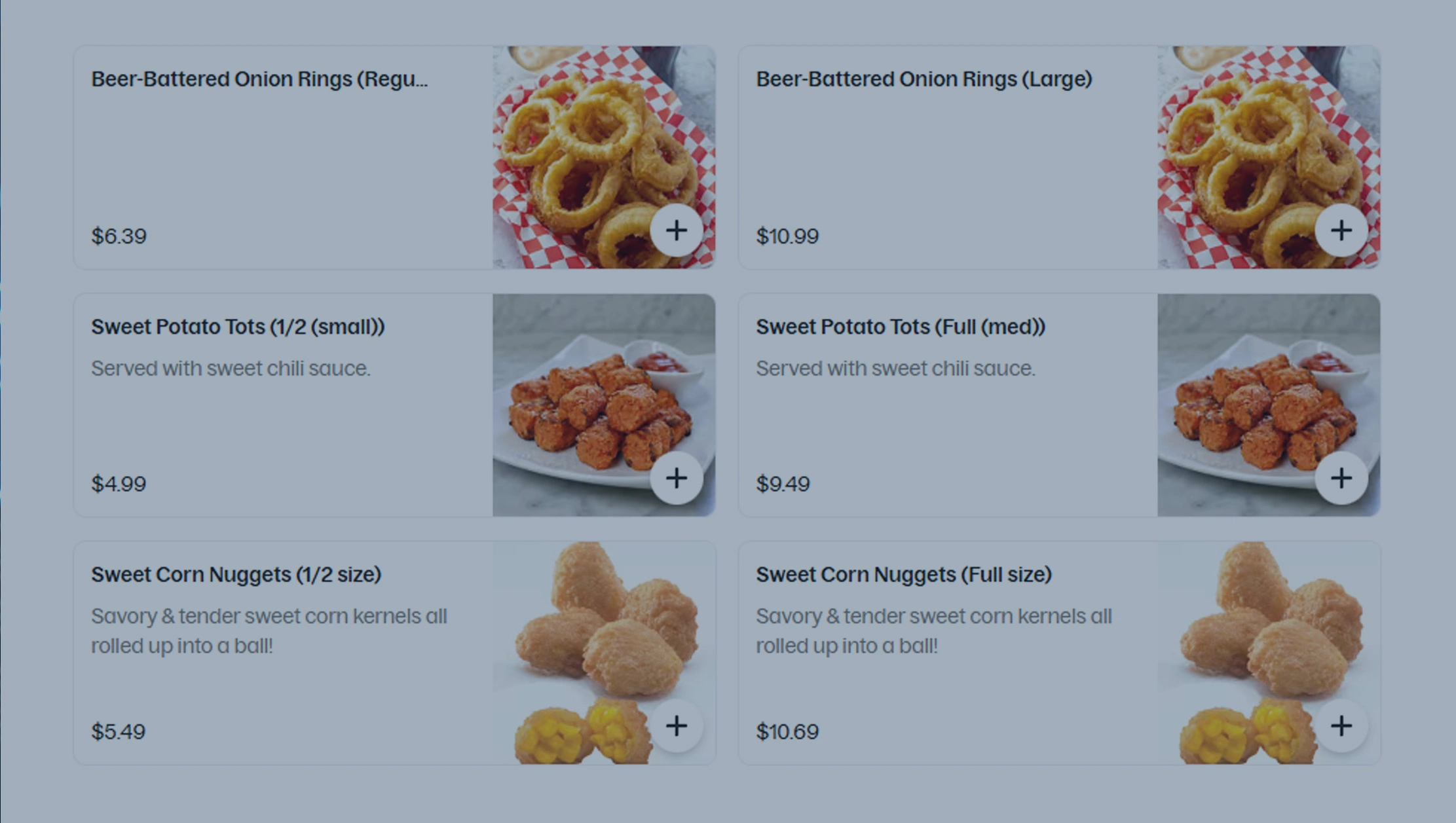
Pricing decisions are among the most challenging aspects of running a restaurant. Without timely market intelligence, businesses may underprice or overprice offerings, losing customers or revenue. Traditional methods of tracking competitors and pricing trends are slow and often incomplete.
With Grubhub Pricing Data Scraping, restaurants can gain an accurate understanding of competitor pricing and pricing patterns across regions. This analysis ensures prices remain competitive while maximizing profits. Food Price Intelligence Scraping allows businesses to evaluate item-specific price trends, promotional impact, and regional differences, supporting informed decisions. Real-time insights into delivery fees, menu bundles, and seasonal promotions further refine pricing strategies.
| Pricing Metric | Your Restaurant | Competitor Average | Recommended Action |
|---|---|---|---|
| Average Delivery Fee | $3.25 | $3.75 | Offer limited-time deals |
| Price Variation Across Items | 14% | 19% | Introduce tiered pricing |
| Promotion Uptake Rate | 27% | 33% | Adjust bundle offerings |
Additionally, using Grubhub Food Delivery Data Analysis provides insight into customer behavior patterns, identifying peak ordering periods and high-demand dishes. Businesses can implement dynamic pricing, targeted campaigns, and better inventory management based on this data.
By accurately tracking market trends and competitor offerings, restaurants can optimize profitability while maintaining a competitive edge. Data-driven pricing strategies minimize revenue loss, improve customer satisfaction, and ensure operational efficiency in an evolving competitive market.
Leveraging Comprehensive Market Data For Better Competitiveness
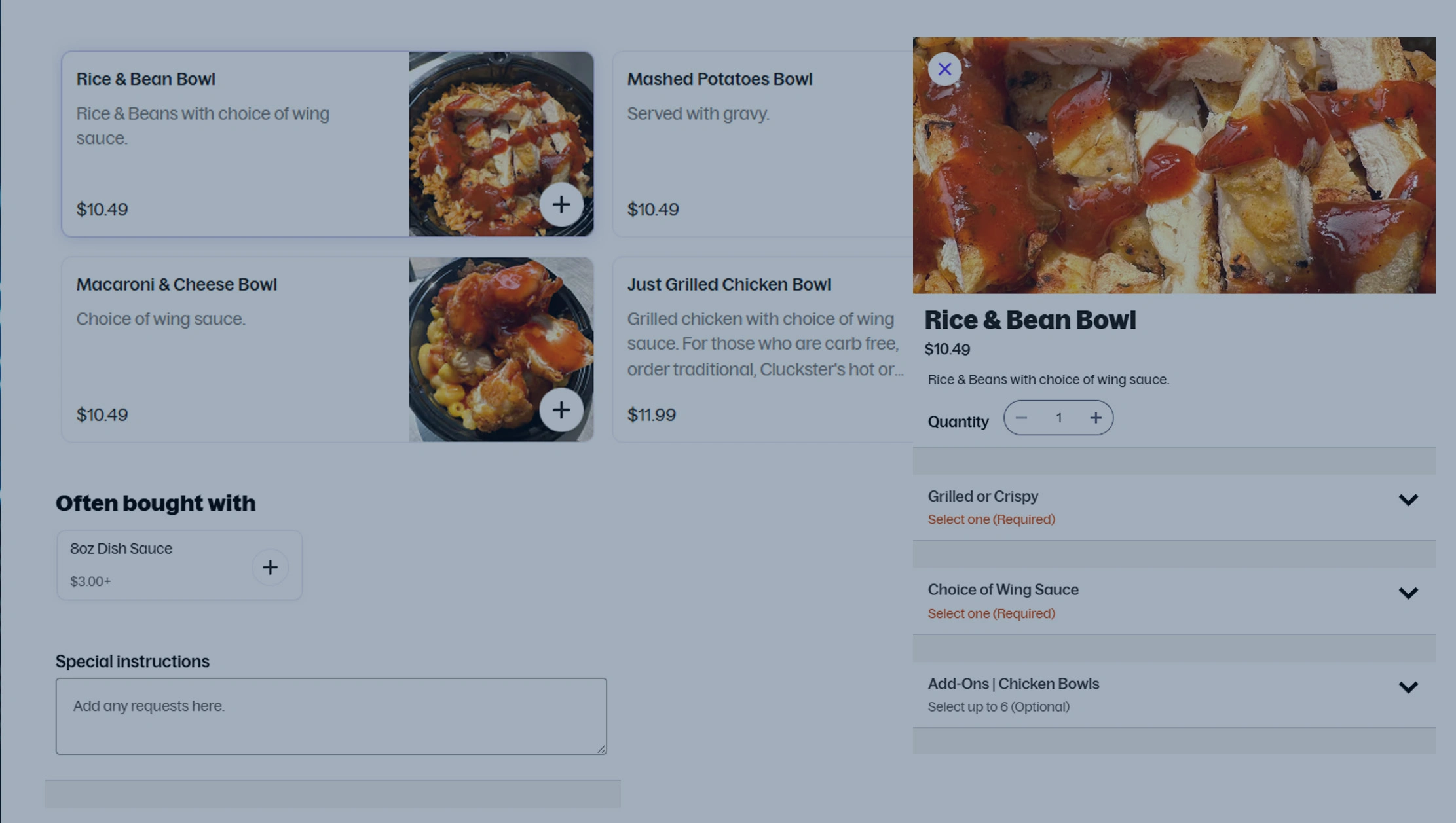
Staying competitive requires understanding customer preferences, competitor performance, and regional demand patterns simultaneously. Many restaurants struggle to integrate these insights, resulting in missed growth opportunities and slower response times.
By employing Food Delivery Data Scraping Services, companies can collect structured information on menu performance, customer preferences, and delivery trends. Combining this with Grubhub Market Data Insights and Grubhub Competitor Price Monitoring creates a holistic picture of the competitive landscape. Restaurants can identify gaps in offerings, monitor competitor pricing fluctuations, and analyze delivery efficiency to refine operational strategy.
| Competitor Analysis Metric | Restaurant A | Restaurant B | Restaurant C |
|---|---|---|---|
| Menu Variety | 48 items | 52 items | 50 items |
| Pricing Flexibility | Medium | High | Medium |
| Average Delivery Time | 33 min | 30 min | 31 min |
Grubhub Restaurant Data Scraper also allows tracking of regional differences in menu trends and pricing strategies. With insights from structured data, restaurants can enhance menu diversity, improve delivery efficiency, and introduce tailored promotions.
By leveraging comprehensive market data, businesses gain actionable intelligence to remain proactive, anticipate customer needs, and respond to competitors strategically. This data-driven approach ensures restaurants maintain a strong market position, optimize revenue, and deliver an exceptional customer experience consistently.
How Web Fusion Data Can Help You?
Restaurants often struggle to keep up with dynamic market trends, fluctuating customer preferences, and competitor strategies. Implementing a data-driven approach without advanced tools is cumbersome and prone to inaccuracies. Through Grubhub Food Data Scraping, we enable businesses to access accurate, real-time insights to make informed decisions quickly.
Key Benefits Include:
- Streamlined market intelligence.
- Enhanced decision-making efficiency.
- Improved menu performance tracking.
- Optimized pricing strategies.
- Better resource allocation.
- Targeted promotional campaign planning.
Additionally, Our integration with Grubhub Food Delivery Data Analysis ensures seamless monitoring of competitor trends, helping businesses identify new growth opportunities and respond rapidly to changes in customer demand.
Conclusion
Implementing Grubhub Food Data Scraping has proven instrumental in delivering actionable market intelligence that fuels smarter business decisions. Restaurants using this approach experience measurable improvements in menu optimization, customer engagement, and overall operational efficiency.
Leveraging Grubhub Restaurant Data Scraper enables businesses to gain granular insights into competitor pricing, delivery trends, and menu performance. This level of intelligence translates into stronger competitive positioning and higher revenue. Contact Web Fusion Data now to begin your data-driven journey!