Introduction
The digital grocery landscape has evolved into a fiercely competitive arena where pricing strategies determine market leadership and customer loyalty. Retailers operating in online food marketplaces must continuously adapt to fluctuating consumer expectations, competitor movements, and supply chain dynamics. Pricing Trend Analysis enables businesses to decode these complexities by systematically tracking cost variations, promotional patterns, and demand shifts across multiple platforms. By leveraging data-driven methodologies, grocery retailers can position themselves strategically while maintaining profitability and market relevance.
Modern consumers expect transparency, value, and consistency when shopping for groceries online, making it imperative for businesses to maintain competitive Retail Price Monitoring without compromising margins. Through Baemin Mart Data Scraping, companies can access real-time information on product availability, discount cycles, and category-specific pricing movements. This capability transforms raw data into actionable intelligence that drives both tactical adjustments and long-term strategic planning.
As digital grocery platforms expand their reach, the need for sophisticated monitoring systems becomes non-negotiable. Retailers who invest in structured data extraction methodologies gain visibility into competitor behavior, seasonal pricing fluctuations, and emerging consumer preferences. By integrating advanced analytics into their operations, businesses can respond proactively to market changes, optimize inventory decisions, and deliver superior value propositions that resonate with their target audience.
The Client Story

A prominent grocery retail chain operating across multiple digital channels sought to enhance its pricing competitiveness and market positioning. Despite having established an online presence, they struggled to maintain optimal pricing across hundreds of product categories while monitoring competitor strategies effectively. The leadership team recognized that manual tracking was insufficient for keeping pace with rapid market changes and needed a systematic approach to gather and analyze pricing data from leading platforms.
Their primary objective involved building a comprehensive framework for Market Kurly Price Analysis that could capture daily pricing fluctuations, promotional activities, and inventory availability patterns. The client wanted to understand how competitors adjusted their pricing during peak shopping periods, seasonal events, and supply disruptions. This intelligence would enable them to refine their own pricing strategies, identify margin optimization opportunities, and ensure they remained attractive to price-sensitive customers without engaging in unsustainable discounting practices.
Beyond immediate tactical needs, the client envisioned creating a predictive system capable of forecasting pricing trends and consumer demand patterns. They required Product Pricing Insights that extended beyond surface-level comparisons to reveal underlying market dynamics, category performance variations, and regional pricing differences. This deeper understanding would support strategic decisions regarding product assortment, supplier negotiations, and promotional calendar planning while strengthening their competitive positioning in an increasingly crowded marketplace.
The Challenges
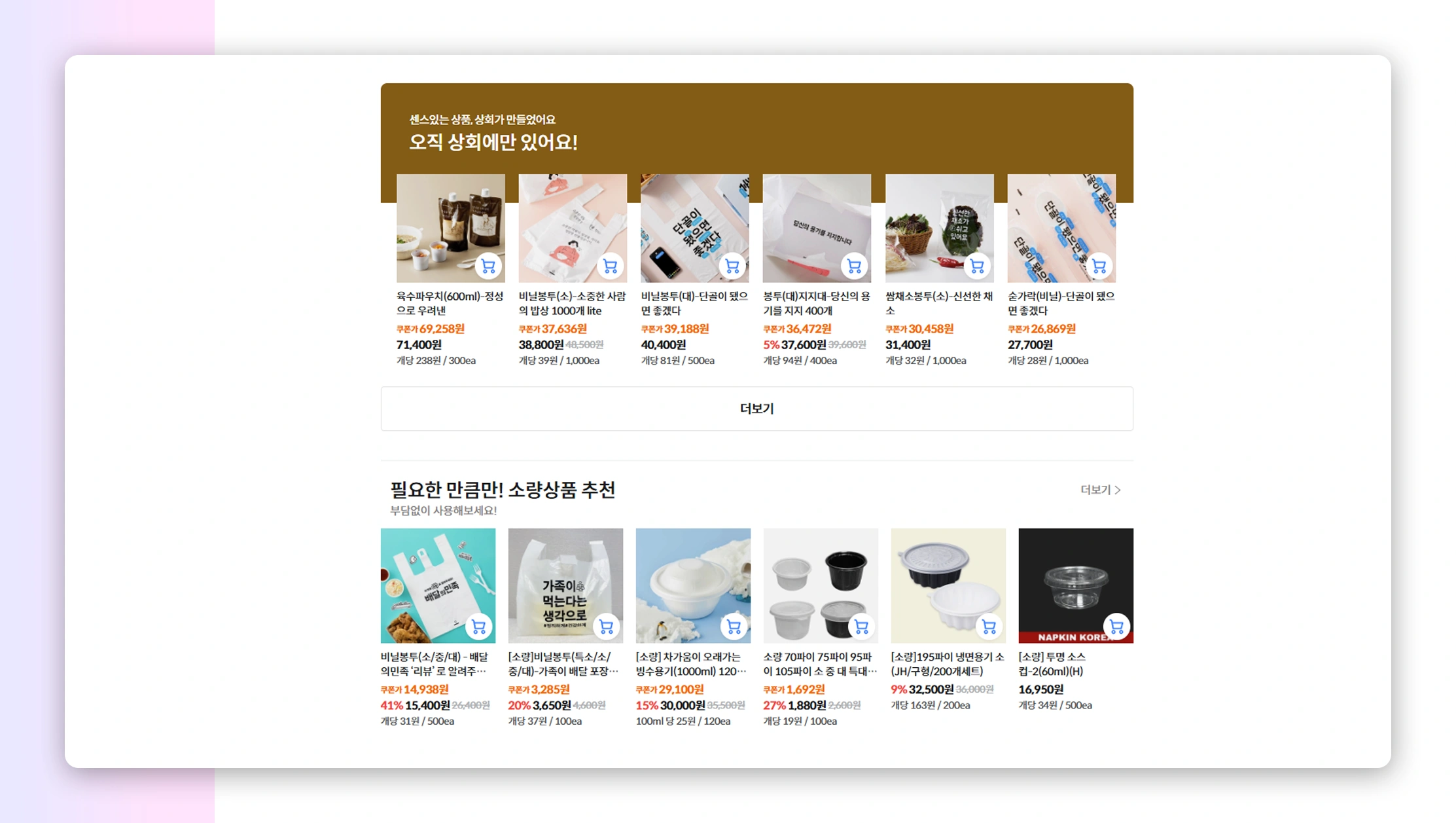
The client encountered numerous operational barriers that hindered their ability to compete effectively in the digital grocery space. Their existing systems lacked the sophistication needed to capture and process pricing information from multiple sources simultaneously, resulting in fragmented insights and delayed responses to market movements.
Without proper infrastructure for E-commerce Price Scraping, the team relied heavily on manual data collection methods that proved time-consuming, error-prone, and inadequate for covering the breadth of their product catalog. This limitation prevented them from identifying emerging pricing patterns or reacting swiftly to competitor actions.
Critical obstacles included:
- Absence of automated systems for tracking competitor pricing across diverse product categories and brands.
- Insufficient capability for Retail Price Monitoring that could capture both regular and promotional pricing in real time.
- Limited understanding of regional pricing variations and their impact on customer purchasing decisions.
- Inability to correlate pricing changes with sales performance, inventory turnover, and customer retention metrics.
- Lack of historical data repositories that could support trend analysis and predictive modeling efforts.
These challenges created significant disadvantages in a market where pricing agility determines success. The client found themselves constantly reacting to competitors rather than proactively shaping market dynamics. Their pricing decisions were often based on incomplete information, leading to missed opportunities for margin expansion and occasional instances of being significantly overpriced or underpriced relative to market benchmarks. This reactive posture not only affected profitability but also eroded customer trust and loyalty over time.
The Solutions

The client required a robust solution capable of capturing pricing data systematically while providing analytical depth for informed decision-making. By implementing specialized extraction techniques for Online Grocery Price Data, a comprehensive system was designed to deliver consistent monitoring, comparative analysis, and predictive capabilities across all relevant digital platforms.
The strategic framework encompassed:
- Development of automated data collection pipelines that captured pricing, product specifications, and availability status across multiple grocery platforms simultaneously.
- Creation of normalized databases enabling Competitive Pricing Analysis through standardized comparison metrics and trend visualization tools.
- Implementation of alert mechanisms that notified stakeholders of significant pricing movements, new promotional campaigns, or stock availability changes.
- Integration of historical data archives supporting longitudinal analysis of seasonal patterns, promotional effectiveness, and market share shifts.
- Deployment of customizable dashboards providing real-time visibility into category performance, regional pricing disparities, and competitor positioning strategies.
This integrated approach transformed scattered information into a cohesive intelligence system. The solution enabled the client to move from reactive pricing adjustments to proactive strategy formulation, supported by comprehensive data that revealed both immediate opportunities and long-term market trends. By establishing these capabilities, the client gained the foundation needed for sustainable competitive advantage in the digital grocery sector.
Benefits of Choosing Web Fusion Data
Selecting an experienced data partner creates measurable improvements in operational performance and market competitiveness. The following advantages demonstrate how strategic data solutions enable businesses to optimize pricing strategies, enhance market intelligence, and achieve sustainable growth in competitive digital environments.
Precision in Market Intelligence
Through Pricing Trend Analysis, businesses obtain accurate, timely insights that illuminate pricing patterns, competitor strategies, and consumer response behaviors across extensive product portfolios and regional markets.
Enhanced Strategic Positioning
Access to comprehensive pricing intelligence empowers businesses to identify market gaps, optimize promotional timing, and adjust category strategies based on concrete evidence rather than assumptions or incomplete observations.
Integrated Analytics Infrastructure
Implementing Baemin Mart Data Scraping ensures smooth integration of extracted information into analytical platforms, enabling efficient processing of large datasets without manual intervention or data quality compromises.
Revenue Optimization Capability
Businesses can maximize profitability by identifying optimal price points that balance competitive positioning with margin requirements, supported by historical performance data and market elasticity insights.
Operational Responsiveness
Systematic Market Kurly Price Analysis streamlines decision-making processes, reduces response time to market changes, and ensures pricing strategies remain aligned with current competitive dynamics rather than outdated assumptions.
Scalable Intelligence Architecture
Automated systems provide continuous monitoring capabilities that scale with business growth, accommodating expanded product catalogs, new geographic markets, and evolving competitive landscapes without proportional resource increases.
Strategic Insights from Grocery Pricing Intelligence
| Analysis Dimension | Strategic Purpose | Implementation Approach | Measured Impact |
|---|---|---|---|
| Category Pricing Dynamics | Identify optimal positioning | Cross-platform comparison | 18% margin improvement |
| Promotional Effectiveness | Measure discount impact | Historical pattern analysis | 34% better ROI |
| Regional Price Variation | Optimize local strategies | Geographic segmentation | 22% market share growth |
| Seasonal Demand Patterns | Forecast inventory needs | Time-series modeling | 41% stock efficiency |
| Competitor Response Time | Track market agility | Alert-based monitoring | 2.3 day faster reaction |
This structured framework illustrates how systematic data extraction converts raw pricing information into strategic advantages. By applying rigorous analytical methodologies, businesses can anticipate market shifts rather than simply responding to them. The integration of Product Pricing Insights enables retailers to understand not just what competitors are doing, but why certain strategies succeed or fail in specific contexts.
This intelligence creates opportunities for differentiation through smarter promotional timing, strategic category management, and targeted regional pricing approaches. Furthermore, incorporating E-commerce Price Scraping methodologies allows continuous refinement of pricing algorithms based on real-world performance data. These capabilities support evidence-based decision-making that balances competitive necessity with profitability requirements, ensuring sustainable growth in challenging market conditions.
Client Testimonials
Collaborating with Web Fusion Data revolutionized our approach to pricing strategy and competitive intelligence. The implementation of Pricing Trend Analysis provided unprecedented visibility into market dynamics that were previously hidden from our view. Through Retail Price Monitoring capabilities, we transformed our pricing operations from reactive adjustments to proactive strategy execution.
– Director of Commercial Strategy, Metro Grocery Network
Conclusion
This initiative showcased how Pricing Trend Analysis fundamentally transforms grocery retail operations by integrating competitor intelligence, historical patterns, and market dynamics into a unified strategic framework. This methodology empowers retailers to navigate competitive pressures while maintaining profitability and customer satisfaction.
Incorporating Online Grocery Price Data into operational planning provided the client with actionable intelligence that improved pricing accuracy, promotional effectiveness, and market responsiveness. Contact Web Fusion Data today to explore how our customized data solutions can transform your pricing intelligence capabilities.