Introduction
The modern food delivery industry demands precise insights to refine menus, understand consumer preferences, and respond to evolving trends quickly. By leveraging Grubhub Menu Scraping Tools, brands can access detailed information on menu items, pricing patterns, and customer ordering behaviors.
With the influx of online reviews, ratings, and ordering data, restaurants often struggle to make sense of overwhelming information. Grubhub Scrape Tools enable structured collection of these datasets, transforming them into actionable insights. For instance, analyzing item popularity across different locations can highlight regional preferences, while tracking seasonal variations can optimize promotional strategies.
Restaurants adopting data-driven approaches using Grubhub Data Scraping have reported up to 68% deeper understanding of consumer preferences, helping them optimize menus and marketing campaigns. This enables strategic decisions based on measurable behavior patterns, not just intuition, strengthening competitive positioning and operational efficiency.
Strategies for Understanding Customer Ordering Patterns Accurately

Restaurants often struggle to decode the complex behaviors of their customers without structured insights. Decisions based on assumptions can lead to missed revenue opportunities and inconsistent satisfaction. Leveraging Grubhub Customer Data Scraping provides restaurants with a clear view of ordering trends, repeat visits, and preferences across different demographics.
For example, analyzing order frequency, peak times, and add-on selections can offer a detailed picture of consumer behavior. By combining this with Grubhub Reviews Data, restaurants can assess satisfaction levels linked to specific menu items. The integration of quantitative and qualitative data enables informed decision-making, helping brands align offerings with consumer expectations.
| Customer Metric | Example Insight | Business Action |
|---|---|---|
| Repeat Order Frequency | 45% reorder weekly | Launch loyalty programs |
| Peak Ordering Hours | 12 PM - 2 PM | Optimize staffing and prep |
| Popular Add-ons | Extra cheese | Promote combo deals |
| Review Sentiment | Positive 72% | Focus on high-rated items |
Additionally, mapping ordering patterns against demographic trends can guide menu adjustments and promotional campaigns. Sentiment analysis combined with historical data enables forecasting of demand fluctuations and menu changes. Restaurants using these insights can enhance operational planning, improve customer loyalty, and maximize revenue.
Methods to Optimize Menus Based on Customer Insights
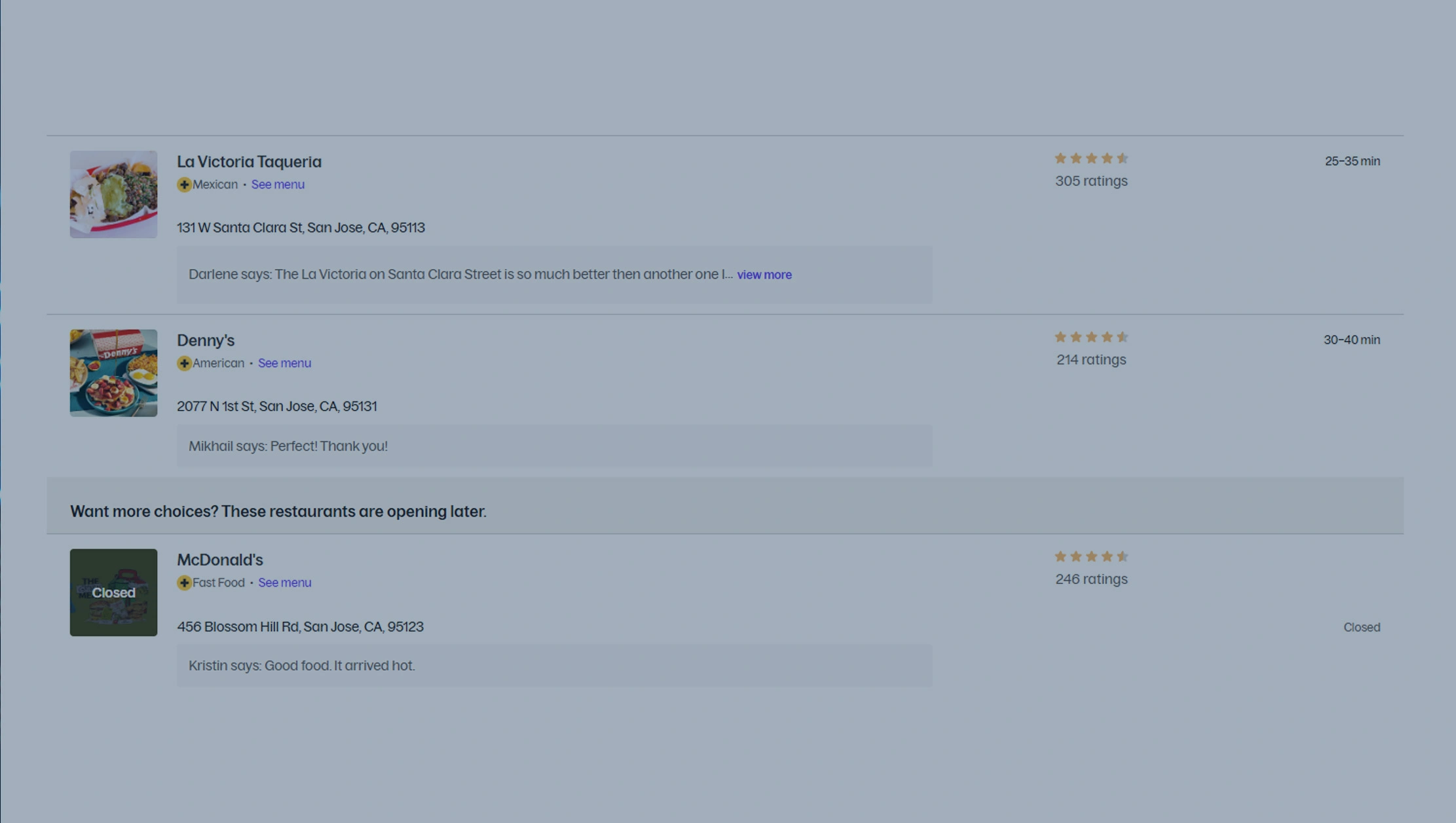
Menu optimization is a key challenge for restaurants aiming to stay relevant in a competitive market. Using Grubhub Data Extractor, businesses can systematically examine menu performance, pricing trends, and item popularity to refine their offerings efficiently. Combined with Food Delivery Data Scraping, brands gain insights not only into their own menu but also competitor trends, revealing emerging consumer demands.
| Menu Element | Observed Trend | Recommended Strategy |
|---|---|---|
| Seasonal Items | Increased summer orders | Launch limited-time promotions |
| High-priced Entrees | Lower sales | Introduce bundles or discounts |
| Low-rated Items | Negative reviews | Revise recipes or remove items |
| Competitor Popular Dishes | High demand | Introduce similar offerings |
These insights allow restaurants to focus on high-demand dishes, streamline menu options, and implement strategic pricing to maximize profitability. Analysis of competitor menus can reveal gaps or opportunities for new offerings, helping brands make informed decisions faster. Studies indicate that integrating menu scraping with delivery trend data can improve decision-making speed by more than 50%, enabling timely adjustments that resonate with customers.
By analyzing the direct link between consumer preferences and menu performance, restaurants can focus on changes that boost both satisfaction and revenue. Integrating structured internal data with competitor insights, including Grubhub Food Delivery Data Scraping, enhances menu planning, marketing strategies, and operational choices, providing a clear advantage in a competitive delivery market.
Approaches for Enhancing Reputation Through Reviews and Feedback
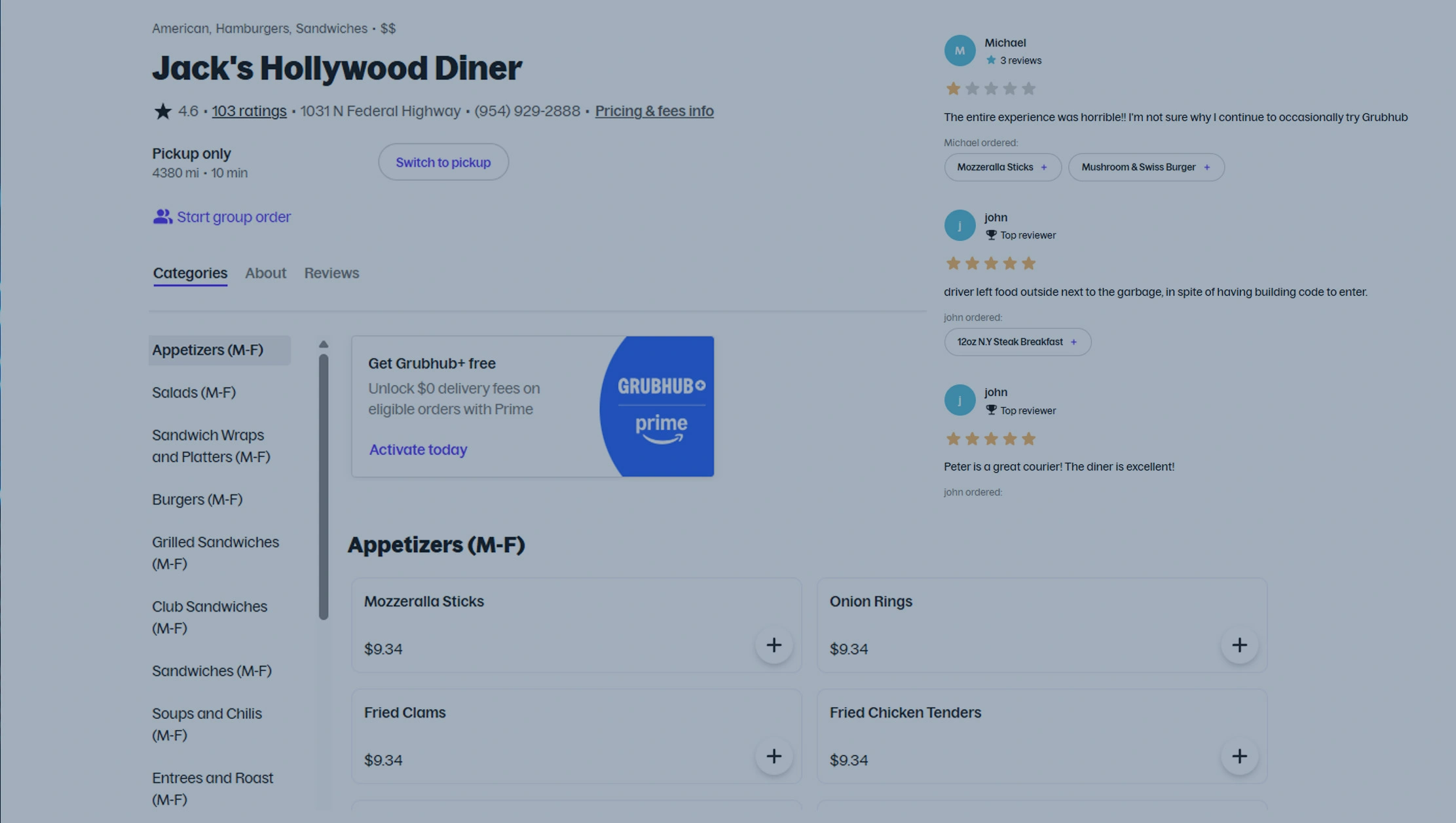
Maintaining a strong brand reputation requires structured analysis of customer sentiment. Restaurant Reviews Scraping collects detailed feedback from multiple platforms, and Customer Sentiment Analysis Scraping translates subjective reviews into actionable insights. By understanding trends in taste, delivery, and presentation, restaurants can take immediate corrective or promotional actions.
| Review Type | Average Score | Suggested Action |
|---|---|---|
| Taste | 4.1 | Highlight popular dishes in promotions |
| Delivery Experience | 3.8 | Optimize logistics for faster delivery |
| Presentation | 4.0 | Maintain consistent food presentation |
| Customer Feedback | 1-star comments | Implement corrective measures |
Analyzing review data allows identification of high-performing items and areas needing improvement, which directly impacts brand reputation. Integrating this feedback with ordering behavior insights ensures restaurants can proactively respond to customer expectations. Brands can adjust operational processes, marketing messages, and menu strategies to improve satisfaction and loyalty.
Monitoring sentiment trends over time helps identify potential issues early, enabling prompt action. Structured review and sentiment analysis empower restaurants to maintain standards, optimize service, and reinforce brand credibility, while insights from to Scrape Grubhub Restaurant Data combined with delivery performance offer a complete view of customer preferences and market positioning, driving stronger engagement and higher revenue.
How Web Fusion Data Can Help You?
For brands looking to capitalize on consumer insights, structured data from online food delivery platforms can be a game-changer. Using Grubhub Data Scraping, we ensure that restaurants gain clear visibility into menu performance, consumer preferences, and emerging trends.
Benefits include:
- Streamlined access to structured customer and menu data.
- Identification of high-performing menu items across regions.
- Clear mapping of ordering patterns and time-based behaviors.
- Insights into competitor strategies and market positioning.
- Enhanced data-driven decision-making for marketing campaigns.
- Continuous monitoring of evolving consumer preferences.
By integrating these insights into operational and marketing strategies, restaurants can make more precise and proactive decisions. Additionally, using Grubhub Data Extractor ensures efficient collection of all relevant datasets without manual intervention, empowering teams to focus on strategy rather than data gathering.
Conclusion
Adopting Grubhub Data Scraping enables restaurants to decode intricate customer patterns and make data-backed operational decisions. From understanding ordering frequency to tracking menu popularity, the insights gained can improve menu optimization, boost customer satisfaction, and enhance profitability.
Implementing Grubhub Food Delivery Data Scraping ensures that sentiment trends and review insights are seamlessly integrated into decision-making processes. For restaurants seeking to refine strategies and maintain a competitive edge, starting with actionable data is essential. Contact Web Fusion Data today to transform your menu and customer understanding into measurable business outcomes.