Introduction
Modern retail environments demand precision, speed, and adaptability to stay relevant in competitive markets. For online retailers managing thousands of product listings, pricing shifts, and inventory changes, manual processes drain resources and slow decision-making. Implementing API Data Scraping transforms these workflows by automating data collection and enabling instant access to critical business intelligence across multiple channels.
As digital commerce continues expanding, retailers must monitor competitor movements, track stock availability, and adjust pricing strategies without delay. Web Scraping API for Ecommerce becomes indispensable for brands seeking to eliminate repetitive tasks while maintaining accuracy. This automation ensures teams focus on strategic initiatives rather than data gathering, creating sustainable competitive advantages in fast-moving markets.
By transitioning from manual extraction to automated frameworks, retailers reduce operational costs, minimize errors, and accelerate response times to market fluctuations. Automated Data Extraction serves as the foundation for building scalable systems that adapt to growing product catalogs and evolving customer expectations. Through this technological shift, brands unlock new levels of efficiency that directly impact profitability and market positioning.
Understanding the Client's Requirements

A mid-sized online retail brand operating across fashion, electronics, and home goods categories faced mounting pressure from competitors who adjusted prices multiple times daily. Their existing workflow relied on manual spreadsheet updates where team members visited competitor websites, recorded prices, and compiled reports throughout the week. This labor-intensive approach created data lags of 48-72 hours, preventing timely pricing decisions and causing revenue leakage in volatile product segments.
The leadership team recognized that scaling their operations while maintaining manual processes would require hiring additional staff, increasing overhead without solving underlying efficiency problems. They needed a system capable of monitoring competitor catalogs, tracking inventory availability, and capturing promotional changes across dozens of retail platforms simultaneously. Online Retail Data Scraping emerged as their primary solution to bridge the gap between operational demands and available resources.
Beyond pricing intelligence, the client required integration capabilities that would feed extracted data directly into their existing ERP and pricing optimization tools. They sought a partner who could design custom workflows around their specific product categories, competitor lists, and reporting schedules. The objective centered on reducing manual workload by at least 60% while improving data freshness from days to hours, enabling their merchandising team to Scrape Product Data API sources efficiently and respond to market conditions with unprecedented agility.
Obstacles Encountered

Before implementing automated solutions, the retail brand struggled with several interconnected challenges that compromised their competitive positioning. Their manual data collection process involved six team members spending cumulative 150 hours weekly visiting competitor sites, copying information, and updating pricing spreadsheets. This approach resulted in frequent human errors, inconsistent data formats, and incomplete competitor coverage due to time constraints.
The absence of Dynamic Pricing Services meant their pricing strategy lagged behind competitors who adjusted rates based on real-time demand signals. When competitor flash sales occurred or inventory levels changed, their team often discovered these shifts days later, missing crucial opportunities to match prices or capitalize on competitor stockouts. This reactive stance eroded margins and customer trust as shoppers compared prices across platforms.
Key obstacles included:
- Excessive time investment in repetitive data gathering tasks across multiple retail platforms.
- Inability to monitor competitor pricing movements outside standard business hours.
- Inconsistent data quality resulting from manual transcription errors and incomplete tracking.
- Limited scalability as expanding product lines required proportional staff increases.
- Delayed decision-making cycles that prevented timely responses to market opportunities.
- Fragmented data storage prevents holistic analysis of competitive trends and patterns.
These challenges created a cycle where operational inefficiencies consumed resources that could have been directed toward strategic growth initiatives. The team recognized that without fundamental process transformation, their competitive disadvantage would widen as digitally mature competitors leveraged automation to outpace them.
Strategic Implementation Approach
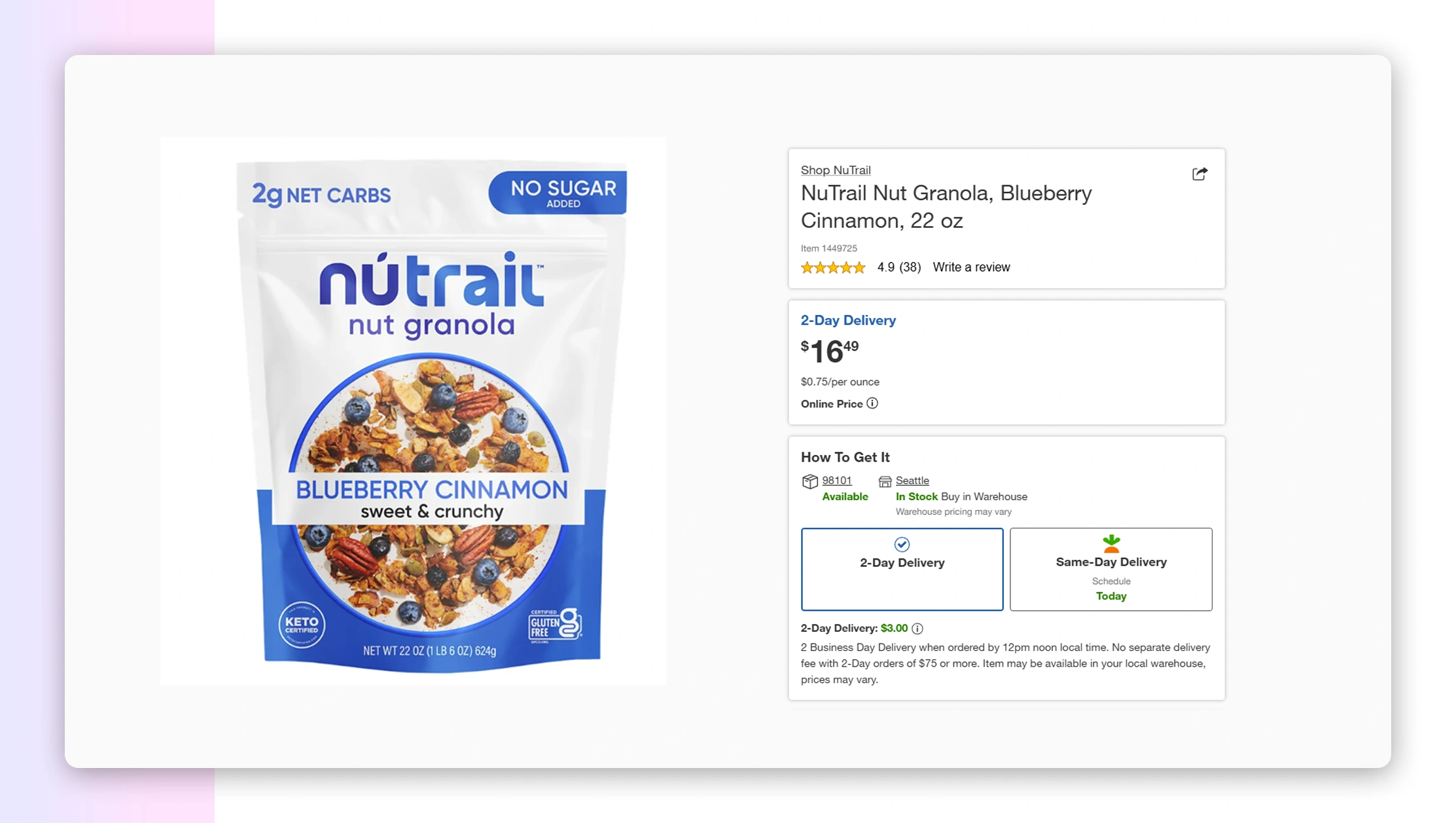
The solution required designing a comprehensive automation framework tailored to the client's product categories, competitor landscape, and integration requirements. By deploying API Data Scraping methodologies, a custom data pipeline was constructed to systematically capture pricing, availability, and promotional information from target retail platforms without manual intervention.
The implementation included:
- Automated scheduling systems to Scrape Competitor Pricing Data at optimal intervals throughout the day.
- Custom parsers designed for each competitor's site structure, ensuring accurate data extraction.
- Integration modules connecting extracted datasets directly to the client's pricing management platform.
- Real-Time Retail Data Scrape capabilities providing hourly updates instead of weekly manual compilations.
- Alert mechanisms notifying teams of significant competitor price drops or inventory changes.
- Quality assurance protocols validating data accuracy before feeding into downstream business systems.
This strategic approach eliminated manual touchpoints while maintaining data integrity across thousands of SKUs. The automation framework operated continuously, capturing market changes during evenings and weekends when manual monitoring was previously impossible. By incorporating Retail Data Scrape Solutions into their operational infrastructure, the client gained 24/7 market visibility without expanding headcount.
Advantages of Partnering with Web Fusion Data
Selecting the right technology partner delivers transformative results that extend beyond basic automation. The following advantages demonstrate how strategic implementation of data solutions drives efficiency, accuracy, and competitive differentiation across retail operations.
1. Operational Efficiency Transformation
Through Automated Data Extraction, the client eliminated 105 manual hours weekly, reducing their data collection team from six members to two focused on analysis rather than gathering. This 70% reduction in manual workload freed resources for strategic pricing decisions and category management.
2. Enhanced Market Responsiveness
Real-time monitoring enabled immediate awareness of competitor pricing changes, promotional launches, and inventory fluctuations. Teams could now respond within hours rather than days, protecting margins and capturing opportunities that were previously invisible.
3. Scalable Growth Infrastructure
The automation framework accommodated expanding product catalogs and additional competitor tracking without proportional cost increases. As the business grew, Retail Data Scrape Solutions scaled seamlessly, supporting new categories and markets efficiently.
4. Data Quality Improvement
Eliminating manual transcription removed human error from the data pipeline, improving accuracy to 99.7% compared to previous 92% reliability. Consistent data formats enabled better analytics and more confident decision-making across merchandising teams.
5. Competitive Intelligence Integration
By incorporating Price Intelligence Services, the client gained comprehensive visibility into market positioning, enabling sophisticated pricing strategies based on competitor movements, demand patterns, and inventory availability across their entire catalog.
6. Strategic Resource Allocation
Teams transitioned from data gathering to value-added activities like market analysis, category optimization, and strategic planning. This shift elevated their competitive capabilities while reducing operational costs significantly.
Performance Metrics and Business Impact
| Metric Category | Baseline Performance | Post Implement Result | Improvement Percentage |
|---|---|---|---|
| Weekly Manual Hours | 150 hours | 45 hours | 70% reduction |
| Data Update Frequency | 72-hour lag | 2-hour refresh | 97% faster |
| Competitor Coverage | 15 platforms | 42 platforms | 180% expansion |
| Pricing Accuracy | 92% reliable | 99.7% reliable | 8.4% improvement |
| Response Time to Market Changes | 3-5 days | 4-6 hours | 94% faster |
This performance transformation highlights the clear benefits of shifting from manual workflows to automated intelligence systems. By leveraging Ecommerce Scraping Automation, the client gained notable operational efficiency, resulting in cost savings, higher margins, and stronger competitive positioning across their market segments.
By leveraging Online Retail Data Scraping capabilities, the organization built a sustainable advantage that compounds over time as data volumes increase and market complexity grows. The ability to Scrape Product Data API sources continuously provided insights that informed inventory decisions, promotional timing, and category expansion strategies.
These metrics reflect only the immediate operational improvements, not accounting for strategic benefits like enhanced customer satisfaction from competitive pricing, reduced stockout incidents, and better inventory turnover resulting from market intelligence. Real-Time Retail Data Scrape capabilities fundamentally changed how the organization approached merchandising and competitive strategy.
Client Testimonial
Partnering with Web Fusion Data has significantly enhanced our decision-making and operational efficiency. The implementation of API Data Scraping has streamlined our processes, saving countless hours previously spent on manual data tracking. With the ability to Scrape Competitor Pricing Data across multiple platforms, we now gain comprehensive market insights that inform strategic decisions and pricing adjustments.
– Director of Merchandising, Leading Multi-Category Retailer
Conclusion
The project demonstrated how API Data Scraping can revolutionize retail operations by replacing labor-intensive tasks with intelligent automation. Achieving a 70% reduction in manual workload highlights the real efficiency and productivity gains possible when businesses adopt advanced data extraction techniques tailored to their market needs.
Incorporating Retail Data Scrape Solutions into core processes empowered the client to scale effectively without increasing resources, enhancing both market responsiveness and informed decision-making. Reach out to Web Fusion Data today to explore how our tailored solutions can optimize your workflows, accelerate insights, and deliver the competitive edge your business deserves.