Introduction
The rapid shift in consumer dining behavior has transformed how food businesses operate, plan, and respond to market fluctuations. Understanding these complex patterns requires immediate visibility into how customers search, order, and respond to products in real time. This is where Q-Commerce Data Scraping delivers measurable impact by transforming fragmented delivery patterns into unified insights for restaurants, FMCG brands, cloud kitchens, and online food retailers.
Modern food ecosystems demand accuracy—especially when order surges can rise within minutes due to weather shifts, sudden events, or viral product trends. Businesses must identify what drives consumer interest, what affects inventory gaps, and which categories require immediate replenishment. Through advanced Real-Time Food Demand Tracking, brands can shape smarter menu decisions, optimize operational flows, and plan inventory with precision.
When enriched with multi-platform signal extraction, analytics teams gain the power to decode market behavior with unmatched clarity. This blog breaks down the critical challenges of demand prediction and explains how real-time data sourcing, review mapping, and trend analysis boost forecasting accuracy by up to 62% across the food delivery ecosystem.
Understanding Critical Factors Shaping Food Forecasting Accuracy
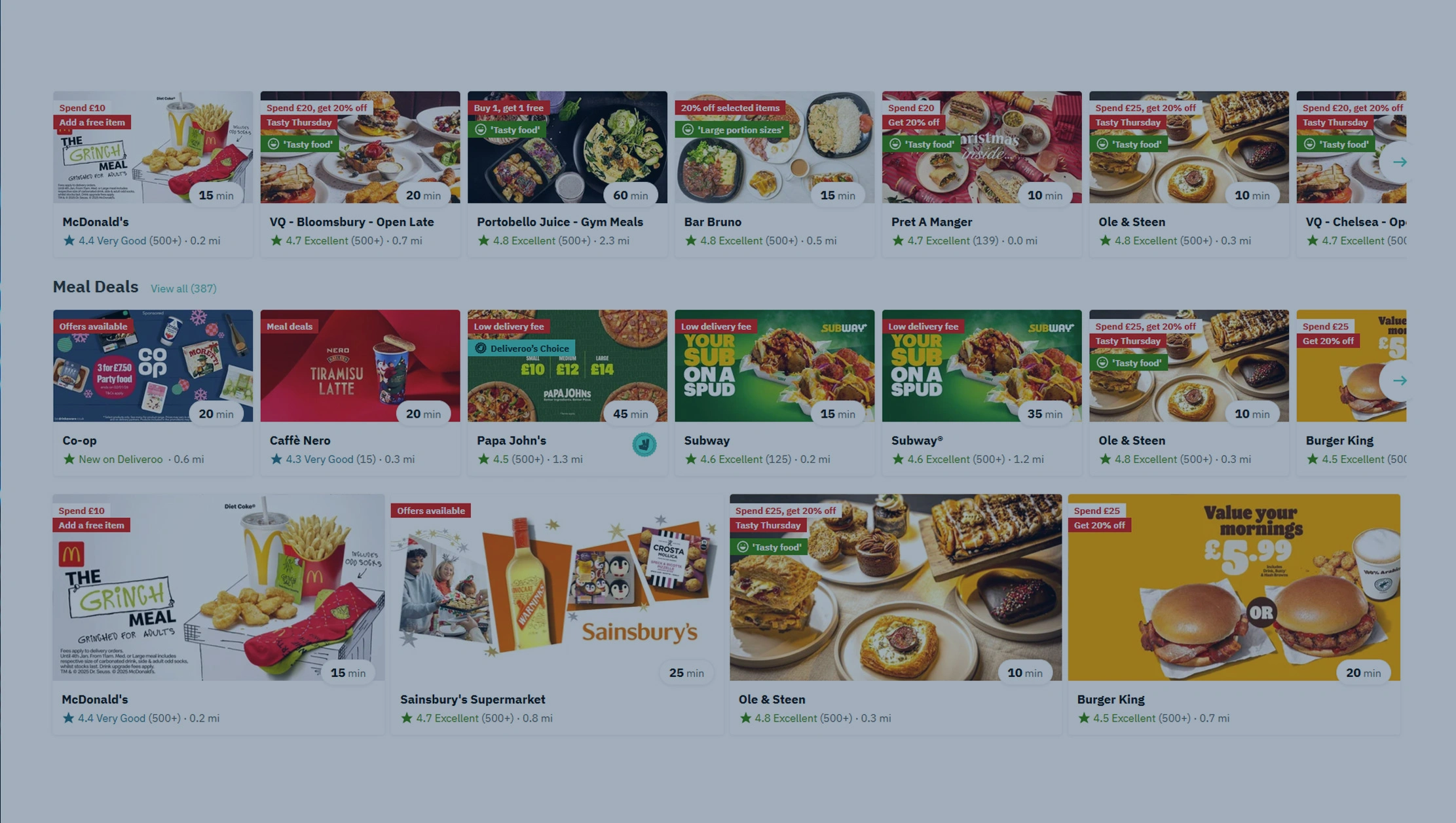
Food demand predictions often fail when market conditions shift rapidly, making traditional forecasting models insufficient for modern food businesses. Dynamic consumer choices, sudden order surges, unpredictable weather changes, and platform-level variations create operational inconsistencies. This section explains how brands can decode hidden disruptions and make better demand-based decisions using structured digital intelligence.
Additionally, when using Food Delivery Data Scraping, brands can examine item availability, delivery slot fluctuations, preparation time variations, and promotional impacts across multiple food delivery apps. This strengthens operational readiness and reduces waste.
Combining multi-source signals becomes easier when companies begin to Scrape Q-Commerce Platforms, helping them centralize fragmented datasets into unified forecasting models. By integrating structured intelligence from multiple digital sources, brands gain clarity on demand behaviors such as sudden spikes in popular items or dips in specific cuisines. Supporting systems like Restaurant Analytics API allow businesses to read platform-level fluctuations in real time.
Key Factors Affecting Food Demand Accuracy:
| Factor Impacting Demand | Description | Influence Level |
|---|---|---|
| Weather-Based Changes | Impacts cuisine preference and order volumes | High |
| Real-Time Order Surges | Sudden peak-hour or event-driven spikes | Very High |
| Platform Availability Shifts | Menu visibility changes across platforms | Medium |
| Delivery Time Variations | Impacts customer retention and order decisions | High |
| Hyperlocal Events | Local festivals or gatherings altering demand | Medium |
By using smarter intelligence from Q-Commerce Platform Insights, brands improve forecasting accuracy and build a stronger operational foundation.
Understanding Consumer Sentiments Influencing Meal Preferences
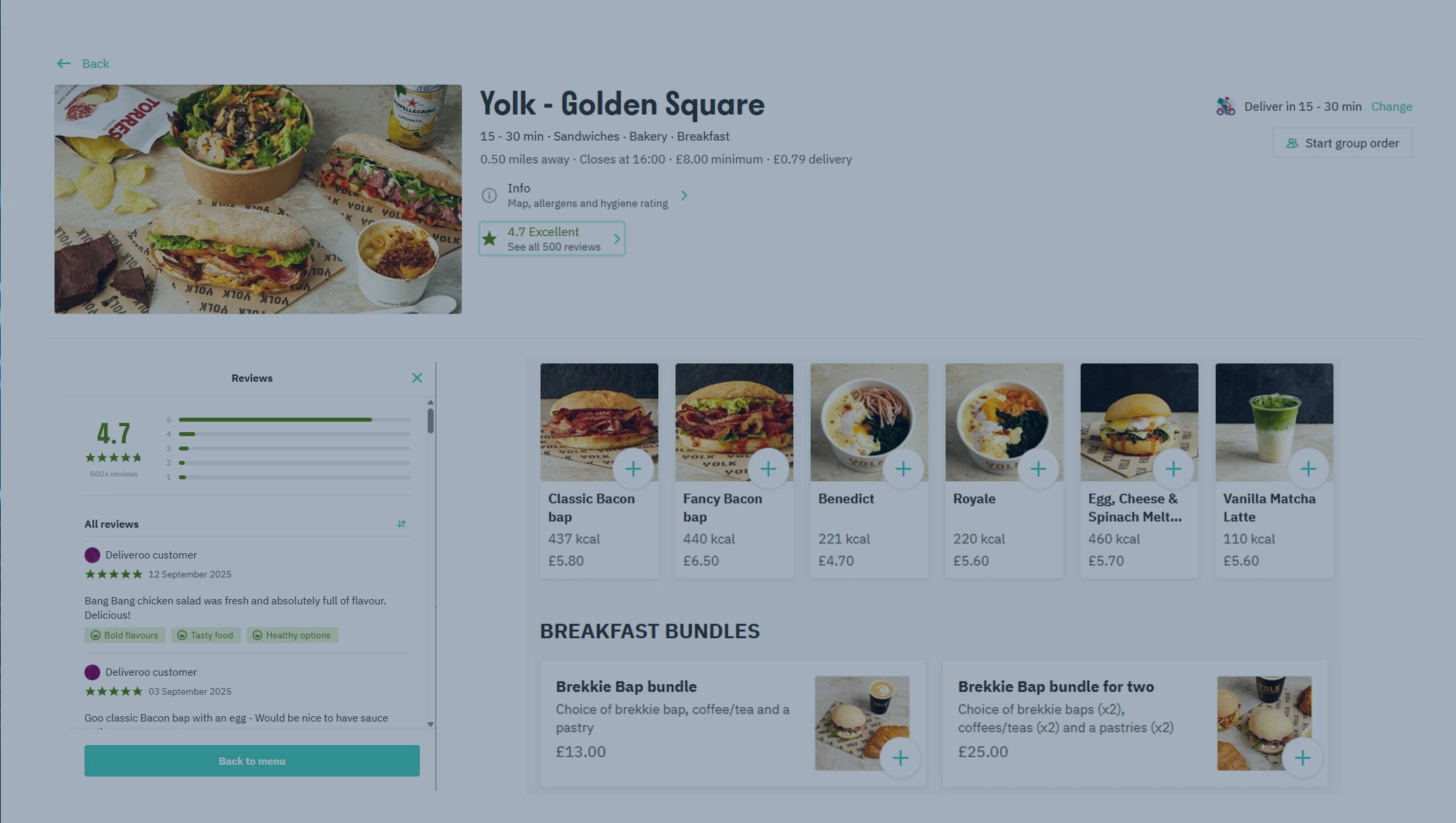
Food preferences evolve faster than ever, influenced by emotional triggers, online feedback, seasonal cravings, and price sensitivity. For businesses to shape better menus and maintain high customer satisfaction, they must understand how consumer sentiments translate into real-time order behavior.
Using advanced Customer Food Reviews Analysis, companies can examine recurring sentiment themes such as taste quality, packaging issues, portion expectations, delivery delays, and pricing reactions. These insights help refine menus, correct operational gaps, and improve customer loyalty. When teams begin to Scrape Food Delivery Reviews, they uncover high-impact sentiment patterns not visible through regular analytics dashboards.
Businesses also gain stronger insight into shifting consumer preferences when using Real-Time Order Trends Scraping, which reveals trending cuisines, rising demand categories, and early behavioral changes. Once teams expand extraction workflows to Scrape Grocery & Food Delivery Data, they uncover a broader layer of market intelligence linked to both meal choices and grocery-based food trends.
Key Sentiment Signals for Food Trend Analysis:
| Sentiment Element | What It Indicates | Business Impact |
|---|---|---|
| Flavor Mentions | Shows taste preferences and popularity | High |
| Delivery Complaints | Points to logistics inefficiencies | Very High |
| Packaging Mentions | Reflects quality and hygiene perception | Medium |
| Price Sensitivity | Shows purchasing behavior | High |
| Portion Feedback | Indicates value satisfaction | Medium |
Together, these insights help businesses build more accurate sentiment-driven understanding and improve menu relevance across all platforms.
Collecting Multi-Platform Signals for Stronger Menu Planning
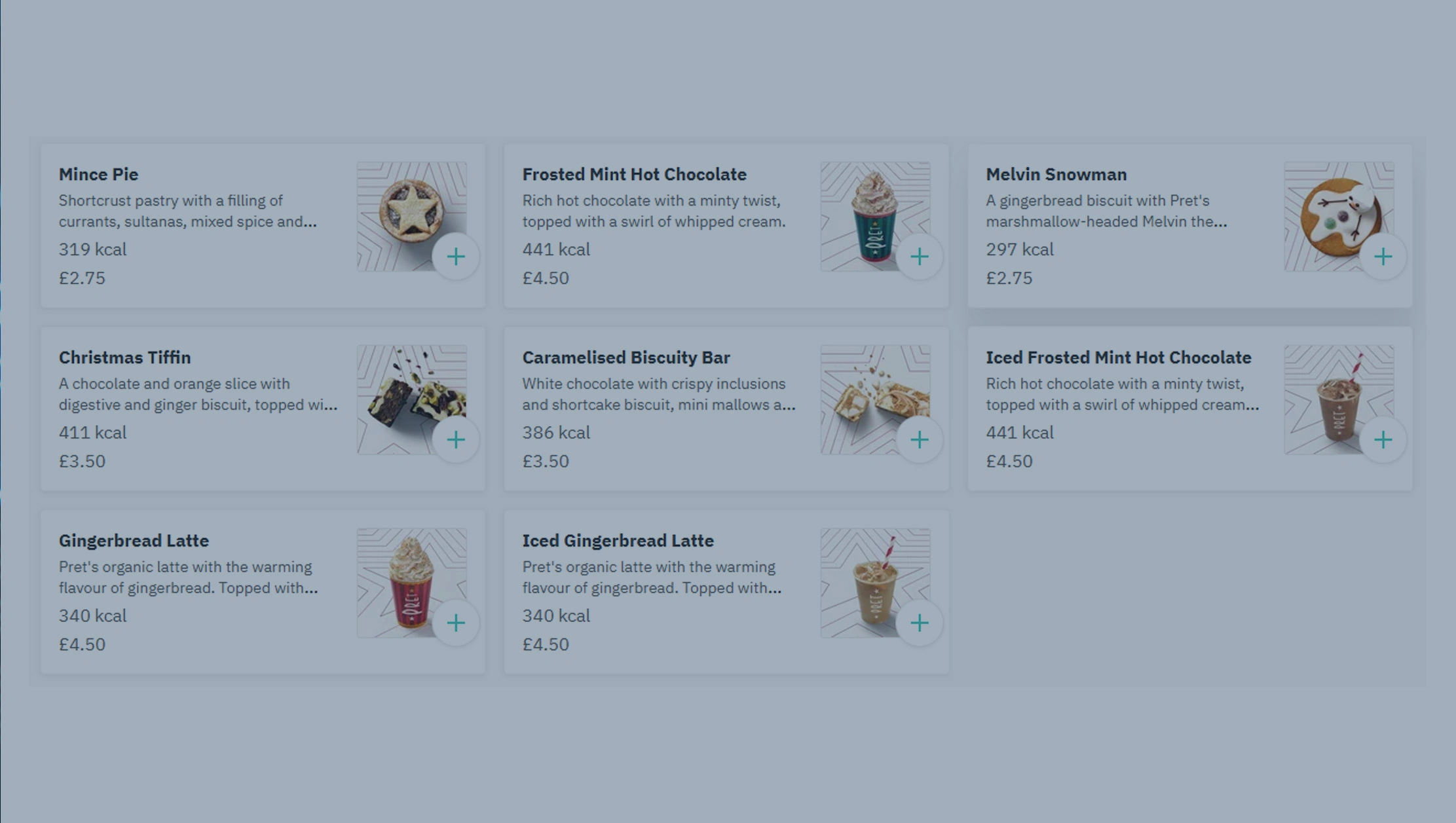
Food demand patterns often vary across platforms, influenced by item ranking, search behavior, competitor listings, delivery times, and promotional activity. To make accurate menu decisions, businesses must understand how customer choices differ between regions and platforms. By analyzing digital signals from multiple sources, brands gain clarity on which items trend, which cuisines outperform others, and which SKUs require immediate attention.
One essential data layer comes from Dynamic Food Demand Insights, which reveals shifting interest levels across categories. These insights help brands plan inventory around real-time demand fluctuations, enhancing operational efficiency. This helps identify gaps in visibility, selection, and customer engagement.
With multi-source intelligence, teams can identify whether a drop in orders is caused by reduced item visibility, longer delivery times, or changes in customer search behavior. Platform-level comparisons help uncover discrepancies between consumer interest and actual conversions.
Factors Enhancing Inventory & Menu Decisions:
| Intelligence Type | Benefit | Operational Outcome |
|---|---|---|
| Multi-Platform Menu Signals | Identifies best-performing cuisines | High Accuracy |
| Regional Preference Patterns | Detects zone-specific demand | Better Allocation |
| Price Comparison Signals | Optimizes competitive pricing | Higher Conversion |
| Visibility Score Mapping | Improves menu positioning | Stronger Reach |
| SKU Demand Fluctuation | Tracks item-level insights | Reduced Waste |
With insights powered by to Scrape Q-Commerce Platforms, brands design smarter menus and maintain consistent inventory accuracy across every delivery channel.
How Web Fusion Data Can Help You?
Many food businesses face challenges when demand becomes unpredictable, and operational decisions need immediate data-backed support. With solutions built around Q-Commerce Data Scraping, we bridge the gap between fragmented delivery signals and actionable business intelligence.
Our solutions help you:
- Improve demand forecasting accuracy.
- Predict short-term surges effectively.
- Strengthen multi-platform visibility.
- Reduce menu downtime and mismatches.
- Enhance customer satisfaction outcomes.
- Adapt offerings to changing food trends.
By the end of this data-driven integration, brands gain the confidence to act decisively with the support of structured insights powered by Q-Commerce Platform Insights.
Conclusion
Food businesses are rapidly shifting toward data-backed forecasting models, and enhanced visibility into platform-level intelligence becomes essential for smoother operations. With real-time insights powered by Q-Commerce Data Scraping, brands can strengthen forecasting precision, minimize supply chain risks, and improve menu planning with measurable impact.
As consumer behavior evolves faster than ever, actionable insights help teams identify hidden opportunities across demand patterns, market gaps, and customer expectations. With advanced extraction methods built around Dynamic Food Demand Insights, your business gains the power to act instantly. Connect with Web Fusion Data today to transform food forecasting accuracy with real-time analytics.