Introduction
The world of food delivery is evolving at a breathtaking pace, and businesses analyzing price behavior are witnessing dramatic fluctuations across leading platforms. With consumer demand changing by the minute, the ability to track shifting price structures has become a competitive necessity. Many brands are now relying on Scraping Dynamic Pricing From Uber Eats and Doordash to study invisible pricing signals that often influence customer decision-making in real time.
As digital ordering keeps rising, understanding how different platforms modify prices during peak hours, low-demand periods, or sudden surges can reshape strategy for brands across the food and retail sectors. The growing appetite for Uber Eats Data Scraping shows how important granular pricing visibility has become. When paired with deeper marketplace behavior patterns, it enables analysts to compare item-level fluctuations and platform-wide shifts throughout the day.
These insights become even more relevant when businesses aim to decode consumer reviews, competitor offerings, and changing delivery fees across regions. As the ecosystem becomes more dynamic, organizations are realizing that accurate, structured insights can unlock stronger forecasting models.
Growing Difficulties Interpreting Rapid Pricing Behavior
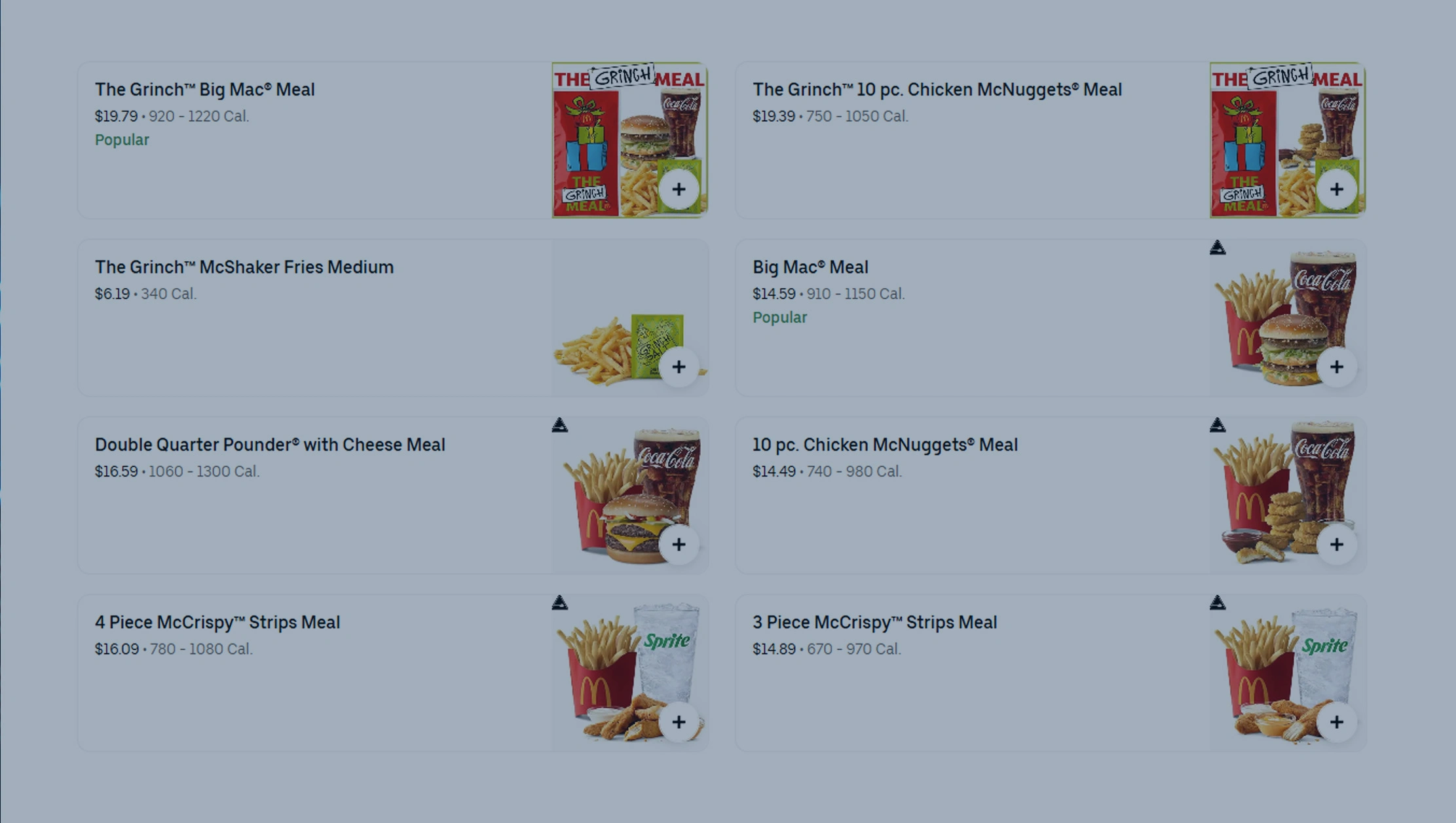
Understanding sudden price movement patterns across food delivery platforms has become increasingly challenging for businesses that rely on accurate forecasting. Restaurants operating in busy regions often notice inconsistent changes across similar menu items within the same hour, making it harder to maintain balanced pricing strategies. Many analysts examine platform-level variations to decode the underlying triggers behind these shifts, especially when peak-time order density impacts checkout totals more aggressively than expected.
Restaurants attempt to gain clarity by studying time-stamped datasets extracted through Doordash Data Scraping, which offers deeper visibility into how certain categories behave under fluctuating demand. When paired with insights drawn from Uber Eats Pricing Trends, businesses can compare product-level differences with greater precision.
To strengthen their understanding, many organizations turn to multi-layered review analysis models built around Customer Reviews Analysis, allowing them to identify consumer frustrations tied to sudden cost changes. These signals become valuable when analysts aim to Scrape Uber Eats Reviews to uncover patterns related to fee spikes, unexpected adjustments, or promotional inconsistencies.
Price Shift Variability by Time Slot:
| Time Slot | Average Shift | Order Density Impact | Item Variability |
|---|---|---|---|
| Morning | 12% | Low | Medium |
| Afternoon | 21% | Medium | High |
| Evening | 34% | High | Very High |
| Late Night | 19% | Medium | Medium |
Challenges Maintaining Consistent Competitive Comparisons

Brands analyzing delivery platform ecosystems often face difficulties establishing stable competitor benchmarks. Sudden fluctuations across identical product categories may distort evaluation models, especially when platform-specific fee structures differ between closely located areas. This inconsistency becomes more complex when analysts try to compare multi-city pricing frameworks, as regional behavior patterns create gaps that complicate direct comparison.
Many organizations refine their evaluation capabilities by integrating Doordash Price Monitoring Services, which help capture minute-by-minute platform deviations. To support this research further, teams often incorporate structured Food Delivery Price Analysis models, ensuring that the impact of fee changes is clearly attributed to specific demand segments rather than generalized behavioral assumptions.
User feedback also plays an essential role during competitive evaluation. Restaurants often aim to Scrape Doordash Reviews to identify friction points related to abrupt changes in delivery fees or inconsistent adjustments during high-demand windows. This approach allows businesses to link sentiment trends with observed pricing irregularities and correlate abandonment rates with specific price movements.
Inter-Platform Pricing Gap Comparison (%):
| City | Base Price Gap | Fee Difference | Surge Variability |
|---|---|---|---|
| Seattle | 16% | 11% | High |
| Denver | 14% | 9% | Medium |
| Phoenix | 13% | 10% | High |
| Atlanta | 15% | 12% | Medium |
Increasing Complexity Predicting Future Platform Behavior
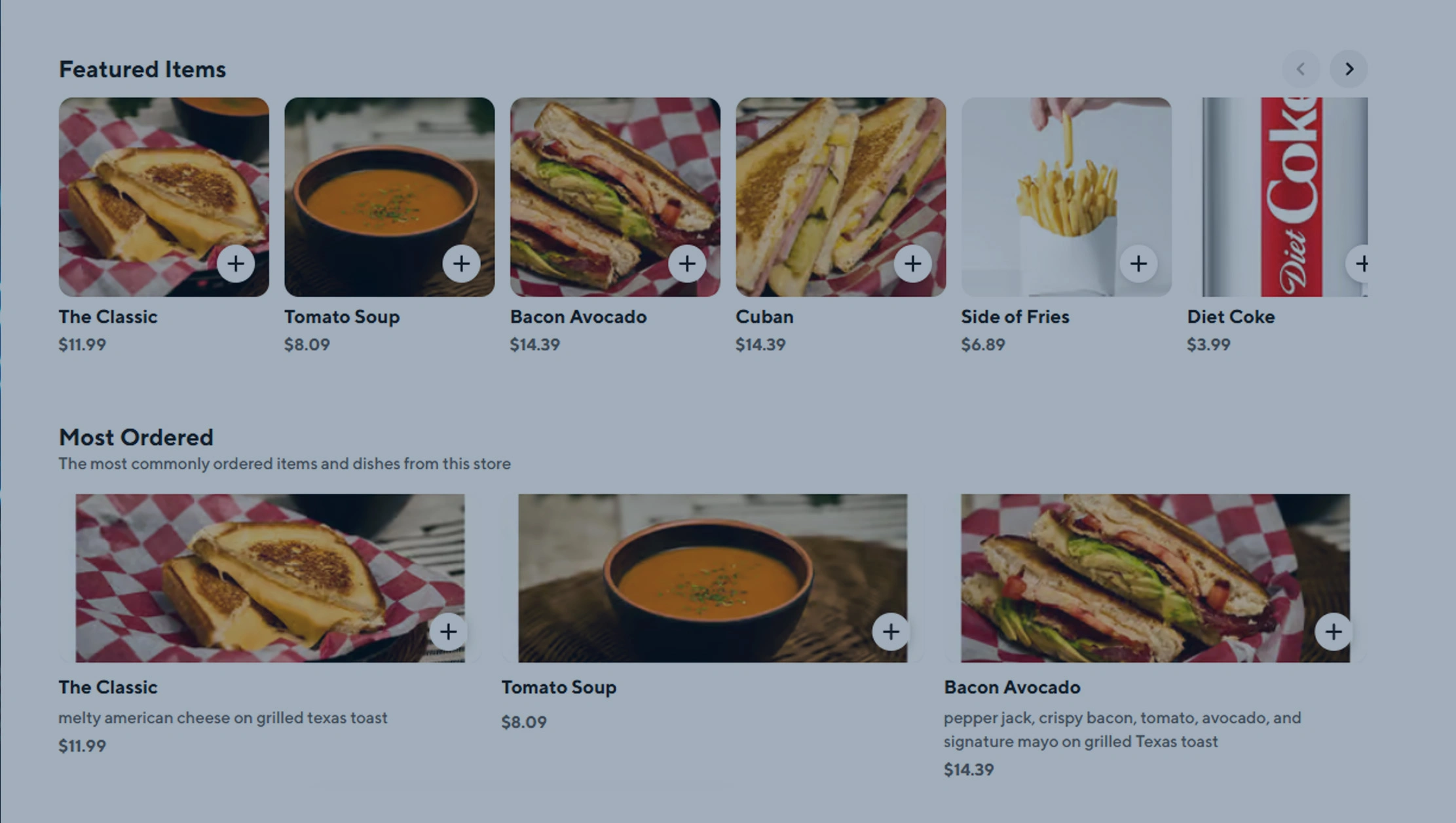
Forecasting future delivery market behavior has become significantly more difficult as pricing models evolve rapidly in response to shifting order patterns. Many restaurants struggle to anticipate sudden spikes driven by unexpected consumer demand, making it harder to maintain accurate budgeting and long-term planning. With several micro-level variables influencing pricing outcomes, analysts attempt to identify consistent behavioral triggers through deeper statistical mapping.
Teams attempting to strengthen forecasting accuracy frequently study patterns using frameworks based on Dynamic Pricing Insights, allowing them to evaluate how frequently categories experience volatility. To extract more granular variations, analysts rely on Doordash Price Tracking Services, which provide minute-level insights into how item prices evolve during sudden shifts.
Many restaurants evaluate shifts using Doordash Pricing Trends, which helps identify recurring seasonal patterns and regional idiosyncrasies. Others deepen their analysis by incorporating Delivery Platform Data Insights, enabling analysts to combine fee structures, category behavior, and sentiment trends into a unified predictive model.
Volatility Impact on Forecast Accuracy:
| Volatility Range | Forecast Stability | Error Rate |
|---|---|---|
| Low (0–10%) | High | 6% |
| Moderate (10–25%) | Medium | 14% |
| High (25%+) | Low | 23% |
How Web Fusion Data Can Help You?
Many organizations aiming to strengthen analytical accuracy rely on advanced research models that integrate Scraping Dynamic Pricing From Uber Eats and Doordash into centralized pricing frameworks. This makes it easier for analysts to detect volatility, compare competitors, and track fee variations across multiple cities.
Our approach includes:
- Improves pricing visibility across multiple delivery regions.
- Helps identify sudden category-level fluctuations.
- Supports real-time monitoring of checkout variations.
- Aligns internal pricing structures with market behavior.
- Enables deeper analysis of buyer response during surge times.
- Strengthens long-term forecasting accuracy.
By applying these structured insights, organizations build multi-layer price intelligence models that complement market research and category comparison systems. The collective impact becomes even stronger when analysts integrate broader Food Delivery Market Analysis insights to gain a holistic view of region-specific delivery patterns.
Conclusion
Businesses aiming to refine marketplace accuracy are recognizing the tremendous impact of deeper intelligence extracted through Scraping Dynamic Pricing From Uber Eats and Doordash. Operational teams analyzing pricing mismatches can respond more confidently to competitive pressure once they integrate standardized datasets.
As analytical maturity strengthens, organizations can pair real-time pricing signals with insights rooted in Dynamic Pricing Insights to generate clearer action plans. Connect with Web Fusion Data today to access powerful, structured delivery pricing datasets that support smarter decision-making.