Introduction
The UK food delivery landscape has seen remarkable expansion in recent years, transforming the way consumers order meals and how restaurants streamline daily operations. As reported by Statista (2024), the market has grown to £8.7 billion, supported by nearly 32 million active users engaging with digital platforms—driving stronger demand for Web Scraping Services to track market trends and consumer behavior accurately.
Understanding temporal patterns and operational efficiency has become crucial for businesses competing in this saturated marketplace. Scraping Data UK methodologies enable organizations to collect vast quantities of transactional and behavioral information from multiple platforms, transforming raw data into actionable intelligence that drives strategic decisions.
The adoption of systematic data collection has revealed significant patterns in consumer behavior, with 68% of orders now placed during specific time windows. Analysis from the British Hospitality Association (2024) indicates that restaurants utilizing advanced analytics achieve 43% better resource allocation compared to those relying on historical intuition alone.
Digital Platforms as Critical Infrastructure for Modern Food Service Operations
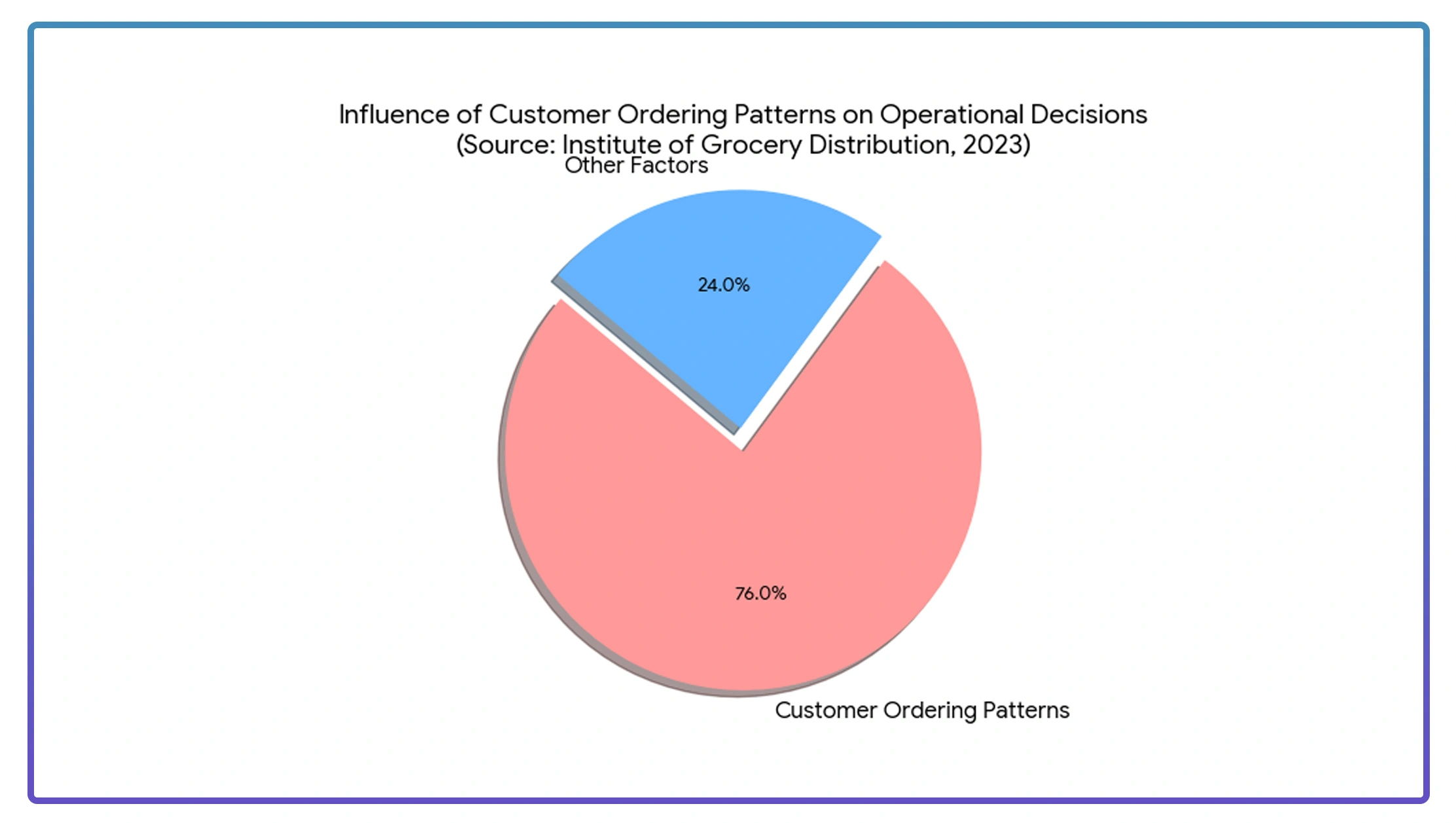
These platforms capture granular information about ordering times, menu preferences, delivery durations, customer locations, and service quality metrics. Research by the Institute of Grocery Distribution (2023) found that Customer Ordering Patterns directly influence 76% of operational decisions for successful food service businesses.
Implementation of Real-Time Delivery Data collection enables restaurants to identify optimal staffing levels, predict demand surges, and optimize kitchen workflows. By systematically analyzing temporal patterns, businesses can reduce waste, improve customer satisfaction, and maximize profitability during high-demand periods.
Report Purpose
This comprehensive analysis examines how food service organizations can harness Scraping Data UK techniques to decode UK patterns and enhance Delivery Performance Analysis. The primary objective centers on demonstrating how strategic implementation of data collection methodologies delivers competitive advantages in the demanding UK food delivery marketplace.
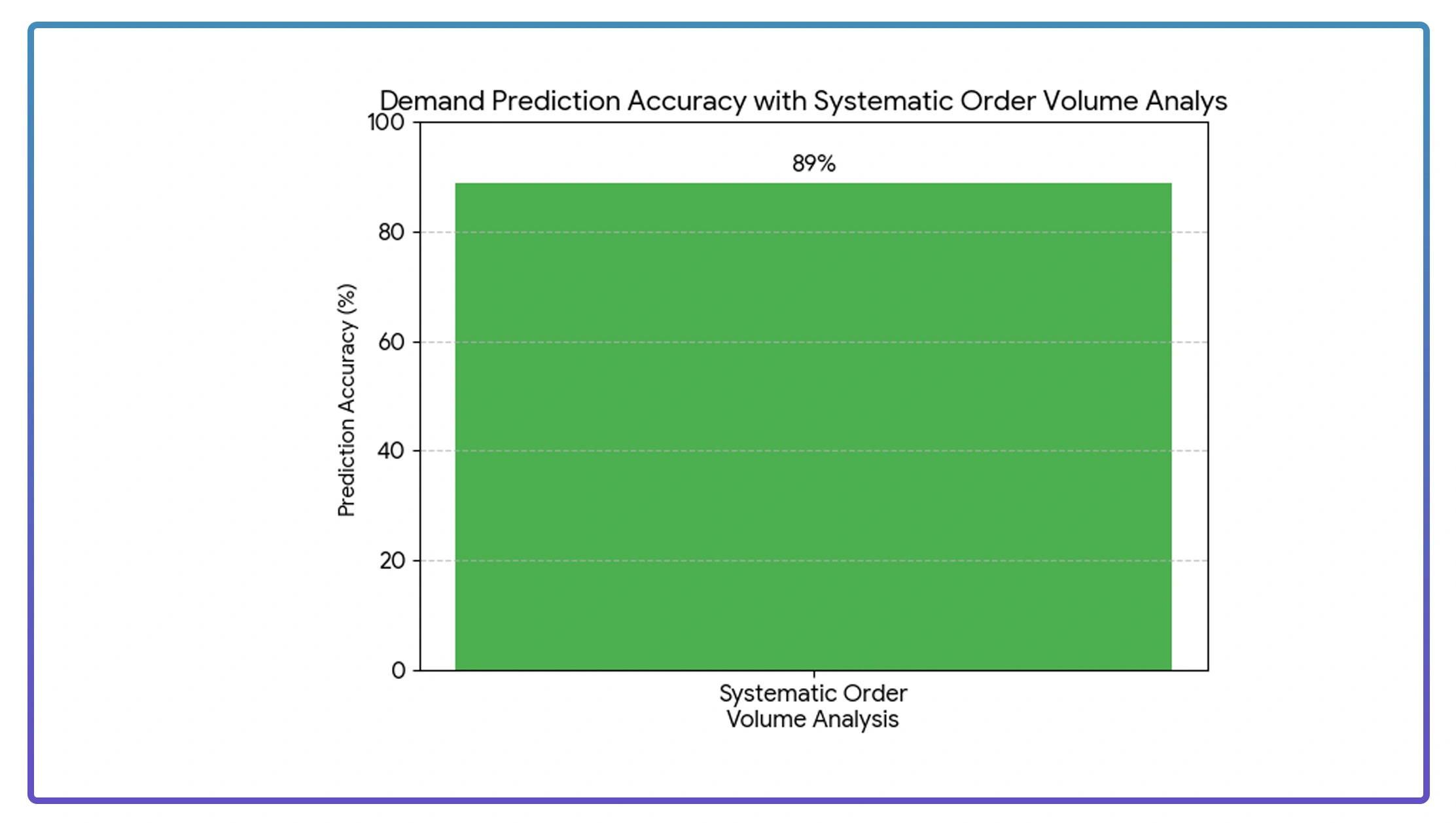
Understanding UK Delivery Trends provides restaurants with the intelligence necessary to negotiate better terms with delivery partners, optimize kitchen capacity, and manage inventory effectively. Organizations that analyze Order Volume Insights systematically can predict demand fluctuations with 89% accuracy, significantly reducing waste and missed revenue opportunities.
Operational Barriers in Contemporary Food Delivery Management
Critical Challenges Facing UK Restaurants and Delivery Services
These challenges have intensified as consumer expectations evolve and competition accelerates across metropolitan and suburban markets.
Fragmented Information Across Multiple Channels
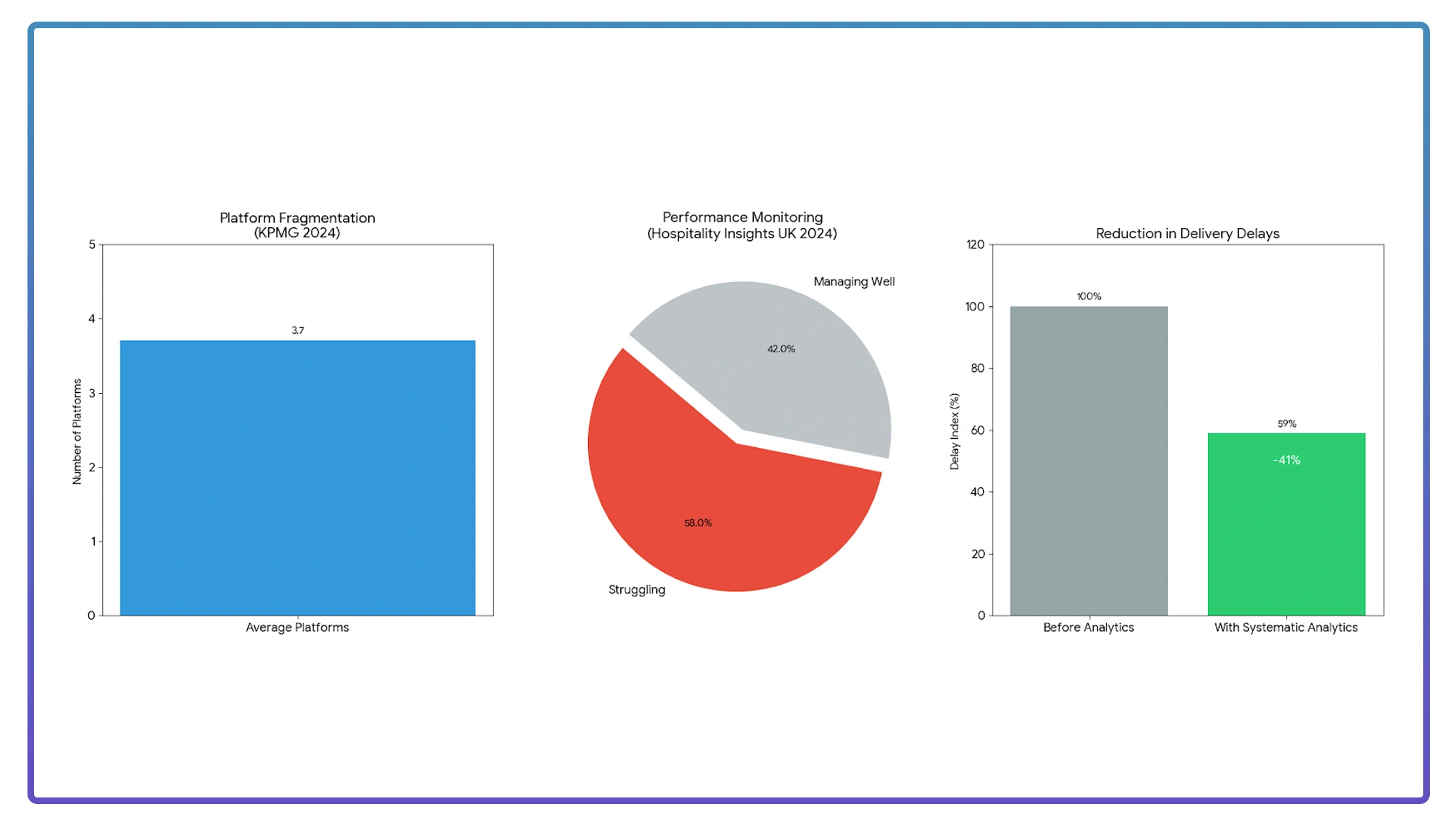
According to hospitality technology research from KPMG (2024), the average restaurant operates across 3.7 different ordering platforms, each maintaining separate analytics dashboards and reporting formats.
Without implementing systematic UK Food Delivery Analytics, businesses cannot effectively synthesize this distributed information into coherent operational intelligence. Data fragmentation prevents holistic understanding of demand patterns, leading to suboptimal staffing decisions and inconsistent service quality.
Inability to Predict Demand Fluctuations Accurately
Restaurants struggle to anticipate order volumes during varying dayparts and days of the week, resulting in either overstaffing during quiet periods or understaffing during rushes. Traditional approaches based on historical averages fail to account for external factors such as weather conditions, local events, or emerging competitive dynamics.
Systematic analysis of Peak Ordering Hours UK enables businesses to identify patterns invisible through conventional observation, improving preparedness and resource efficiency.
Resource Limitations in Performance Monitoring
Hospitality Insights UK (2024) reveals that 58% of independent operators struggle to measure delivery performance beyond basic completion rates, leaving Food Delivery Data underutilized and limiting visibility into driver efficiency, route optimization potential, and emerging service quality gaps.
Understanding Delivery Efficiency UK requires continuous monitoring across multiple dimensions, which proves impractical without automated collection systems. Organizations implementing systematic analytics reduce delivery delays by 41% while improving driver utilization rates significantly.
How Advanced Data Collection Transforms Delivery Operations
Converting Raw Transactional Information into Strategic Competitive Advantages
Systematic collection and analysis of ordering and delivery data fundamentally transforms operational capabilities for UK food service businesses. Below are four critical methodologies through which Scraping Data UK drives measurable improvements.
Identifying Precise Peak Demand Windows
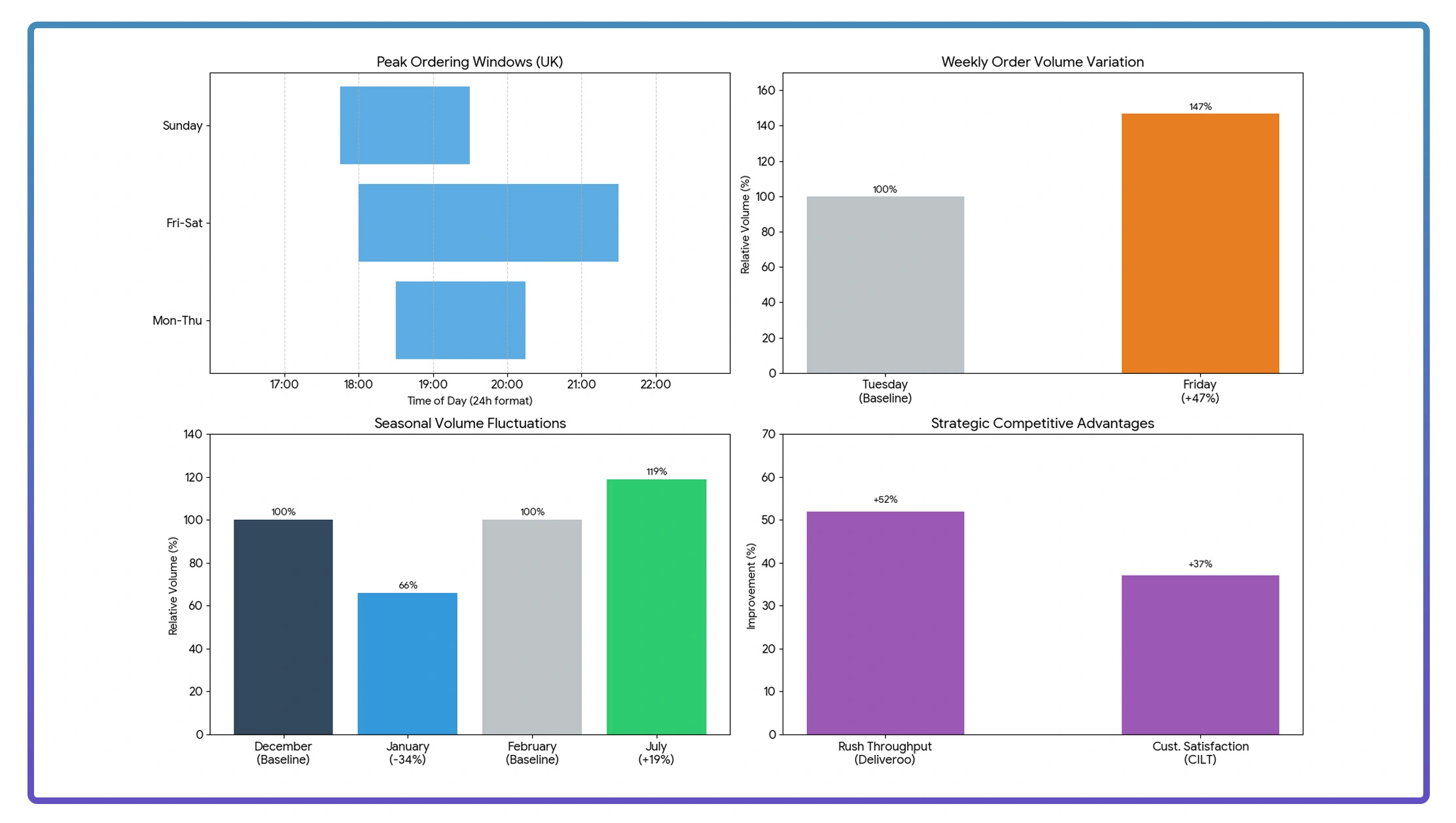
By analyzing thousands of historical transactions across extended timeframes, restaurants can identify exact windows when order volume peaks. This granular intelligence enables precise staffing schedules, optimal kitchen preparation timing, and strategic promotional campaigns. According to research by Deliveroo Business Insights (2024), restaurants that align operations with Peak Ordering Hours UK achieve 52% higher throughput during rush periods.
Analysis reveals that Monday through Thursday experiences peak ordering between 18:30-20:15, while Friday and Saturday peaks extend from 18:00-21:30. Sunday shows distinct patterns with earlier peaks between 17:45-19:30, requiring different operational strategies.
Measuring and Optimizing Delivery Speed
Systematic Delivery Performance Analysis enables restaurants to track average delivery times by geography, time of day, and delivery partner. Organizations monitoring these metrics identify bottlenecks in their fulfillment process, whether in kitchen preparation, packaging, or driver availability.
Research from the Chartered Institute of Logistics and Transport (2024) demonstrates that businesses actively monitoring Real-Time Delivery Data reduce average delivery times by 8.3 minutes, resulting in 37% improvement in customer satisfaction ratings. This intelligence also enables data-driven negotiations with delivery platforms regarding service level agreements.
Understanding Seasonal and Weekly Variations
Analysis of Order Volume Insights across extended periods reveals seasonal patterns and weekly fluctuations that inform inventory management and promotional strategies. Data shows significant variations in order volume across different months, with January experiencing 34% lower volumes compared to December, while July sees 19% increases over February baseline.
Customer Ordering Patterns also vary by day of week, with Friday generating 47% more orders than Tuesday for the average restaurant. Understanding these patterns enables strategic menu planning, targeted marketing campaigns, and optimized supplier relationships.
Implementation Success Stories
Measurable Business Outcomes from Data-Driven Operational Strategies
Leading UK food service businesses have successfully implemented systematic Delivery Efficiency UK analysis to achieve significant competitive advantages and operational improvements.
Case Study: Urban Eats London
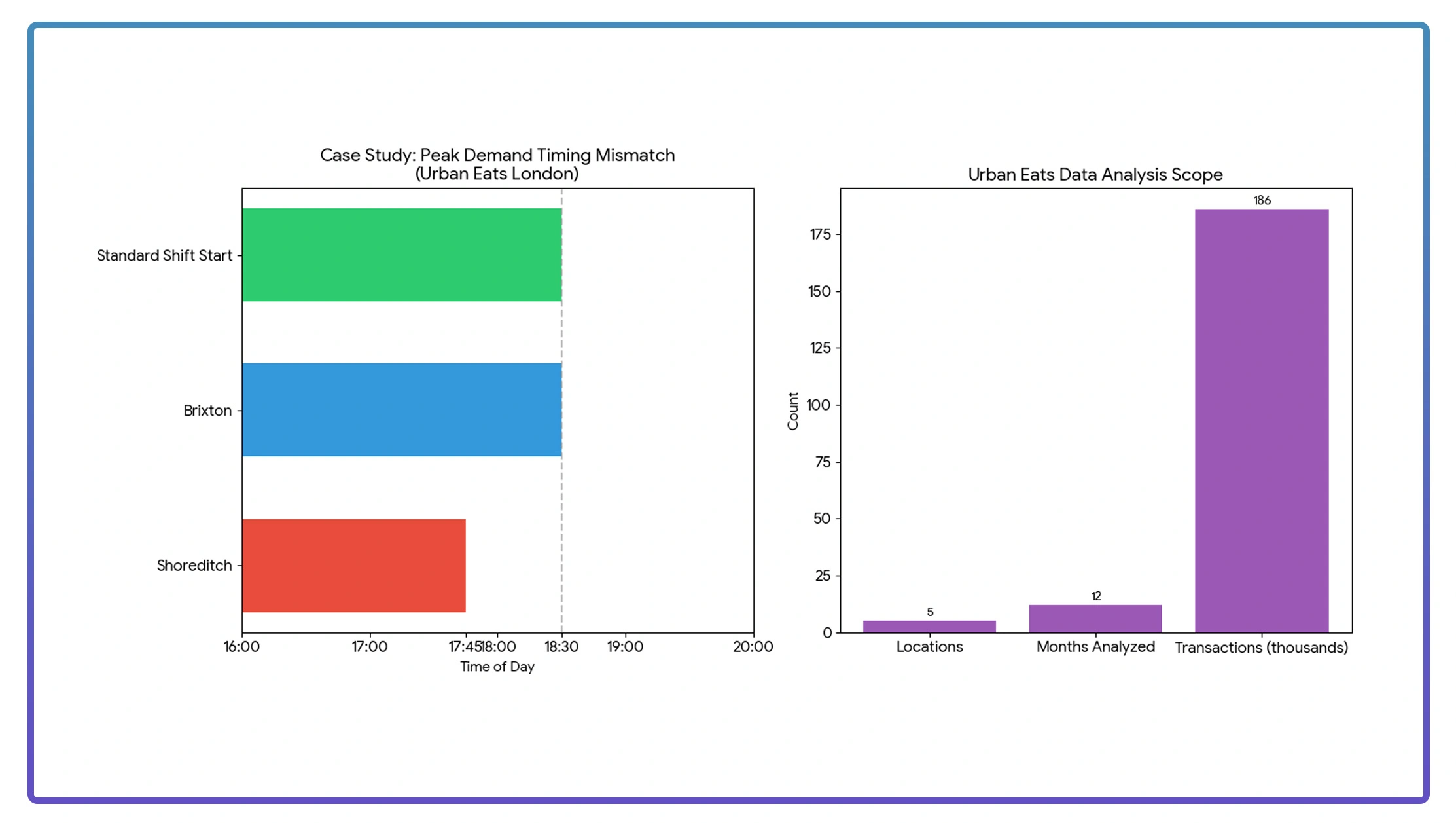
Urban Eats, operating five locations across London, faced challenges with inconsistent service quality and escalating labor costs. By implementing comprehensive UK Food Delivery Analytics across all ordering platforms, the company collected and analyzed over 186,000 transactions spanning twelve months.
The analysis revealed that their Shoreditch location experienced peak demand 45 minutes earlier than their Brixton location, yet both operated identical shift schedules. Additionally, Customer Ordering Patterns showed unexpected lunchtime demand at their Camden site, which was previously understaffed.
| Performance Indicator | Pre Implementation | Post Implementation | Percentage Change |
|---|---|---|---|
| Average Order Fulfillment Time | 18.7 minutes | 12.4 minutes | -33.7% |
| Labor Cost as Revenue % | 34.2% | 26.8% | -21.6% |
| Customer Satisfaction Score | 3.8/5 | 4.4/5 | +15.8% |
| Daily Order Capacity | 340 | 487 | +43.2% |
| Food Waste per Day | £284 | £127 | -55.3% |
Conclusion
The strategic adoption of systematic data collection has reshaped how UK food service businesses operate and compete. By leveraging Scraping Data UK within core decision-making processes, restaurants unlock actionable insights that improve resource planning, streamline workflows, and elevate customer satisfaction in an increasingly performance-driven market.
At the same time, analyzing Peak Ordering Hours UK enables brands to align staffing, inventory, and delivery capacity with real demand patterns, ensuring consistent service quality and cost control. Contact Web Fusion Data today to deploy advanced analytics solutions that strengthen operational performance and accelerate measurable growth across every delivery channel.