Introduction
The UK food delivery ecosystem has become a fast-paced, highly competitive marketplace where menu prices shift frequently across multiple digital channels. Brands must balance price consistency with the realities of Scraping Menu Data, while navigating platform-specific commissions, surge pricing, promotional offers, and changing regional demand patterns.
For restaurants, cloud kitchens, and food brands, these discrepancies directly influence customer perception, order volumes, and brand trust. A consumer who notices repeated inconsistencies may assume unfair pricing or opt for competitors offering clearer value. To respond effectively, brands need a systematic approach to monitor menu listings, track price changes, and evaluate patterns across platforms operating in different UK cities.
This is where data-driven intelligence becomes essential. Instead of relying on manual checks or platform reports, brands are increasingly turning to Food Price Tracking Services to gather accurate, time-sensitive insights. These services help transform scattered pricing information into actionable intelligence, enabling businesses to understand how pricing strategies perform across digital food marketplaces.
Challenges In Maintaining Consistent Platform Pricing

Maintaining consistent pricing across multiple food delivery platforms remains a persistent operational challenge for UK-based restaurant brands. Each platform applies different commission structures, surge pricing models, and promotional logic, which often leads to unintended discrepancies at the menu-item level. Without a structured monitoring approach, these inconsistencies remain hidden until customer complaints or declining order volumes expose them.
Using Food Delivery Menu Scraping, brands can systematically collect item-level pricing data from multiple platforms without manual effort. This approach allows teams to detect gaps quickly and understand whether variations stem from platform fees, timing, or listing errors. Additionally, Menu Data Scraping UK supports centralized data consolidation, making it easier to compare identical items across platforms within the same delivery zone.
The table below highlights how pricing inconsistencies commonly appear across platforms:
| Menu Item | Platform A (£) | Platform B (£) | Platform C (£) | Variation (%) |
|---|---|---|---|---|
| Spicy Chicken Box | 9.49 | 11.99 | 10.75 | 26% |
| Veggie Wrap | 6.25 | 7.80 | 7.10 | 25% |
| Combo Meal | 18.99 | 23.49 | 21.25 | 24% |
Such discrepancies can significantly affect customer confidence and brand image. Implementing a Real-Time Menu Data Scrape helps businesses detect these gaps promptly, ensuring internal pricing aligns with external platform realities. This approach fosters greater transparency, reduces conflicts, and strengthens control over how prices are displayed across digital food marketplaces.
Understanding Platform Behavior Through Market Signals
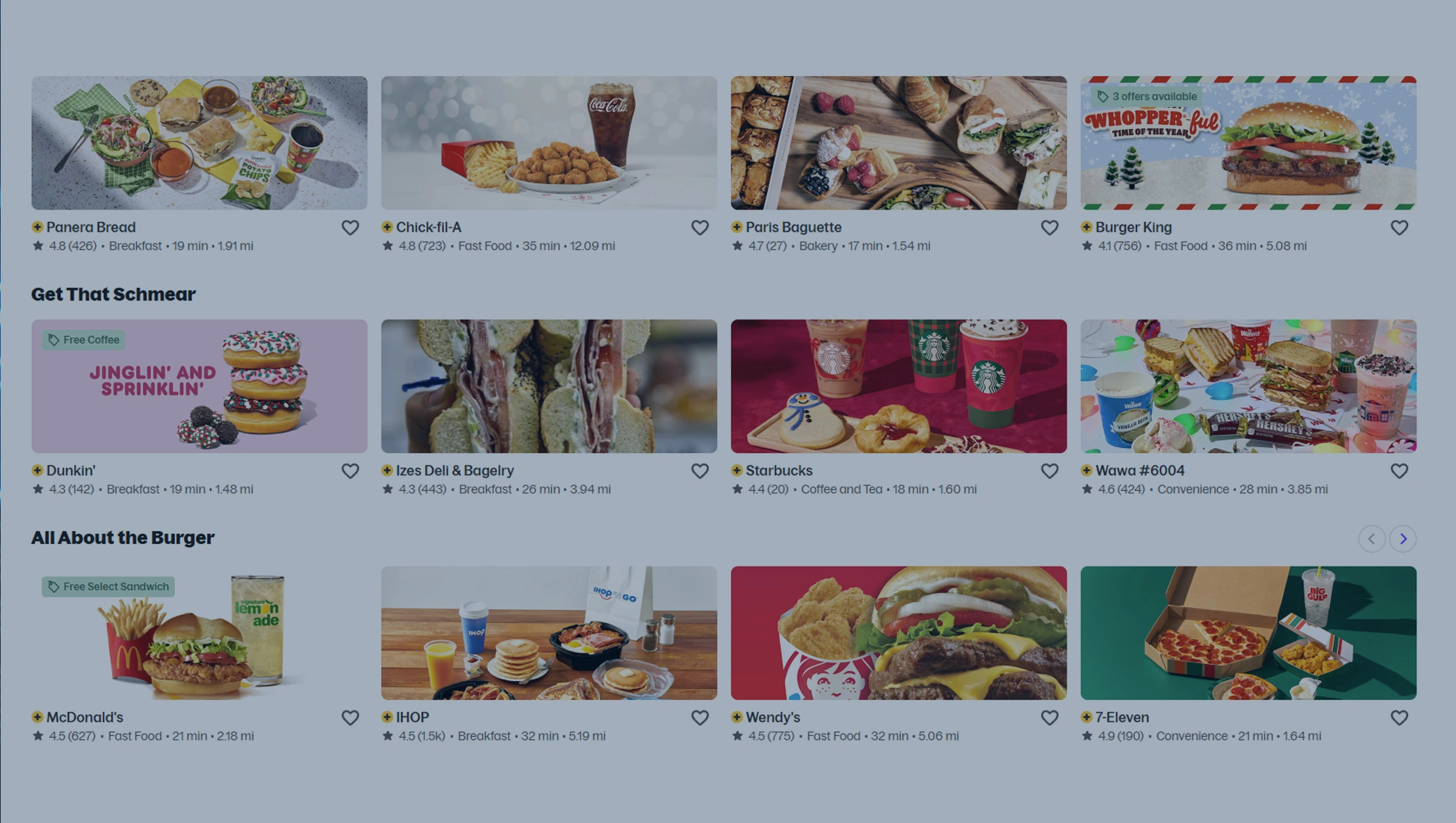
Food delivery platforms operate as independent ecosystems, each influencing customer behaviour differently. Pricing sensitivity varies by platform, city, and even time of day, making it essential for brands to understand how menu prices interact with user decision-making. Many UK brands mistakenly apply uniform pricing strategies without considering these behavioural nuances, resulting in missed revenue opportunities or unnecessary discounts.
With Price Monitoring UK Food Apps, brands gain visibility into how menu prices fluctuate across platforms during peak and off-peak hours. This allows businesses to identify when customers are more tolerant of higher prices and when competitive pricing becomes essential. Leveraging UK Food Platforms Data also enables brands to study broader patterns, such as weekend demand spikes, regional price elasticity, and promotion-driven ordering behaviour.
The table below outlines observed platform-driven trends:
| Behaviour Indicator | Observed Pattern | Business Impact |
|---|---|---|
| Peak Hour Orders | Higher prices accepted | High |
| Discount Dependence | Orders rise during promotions | Medium |
| Urban Areas | Lower price sensitivity | High |
| Late-Night Ordering | Increased convenience pricing | Medium |
By analyzing these signals effectively, brands can refine pricing strategies across platforms rather than relying on assumptions. Utilizing an Online Food Menu Scraper enables data-driven insights that guide smarter choices for promotions, menu organization, and regional pricing, enhancing profitability while keeping customer satisfaction high.
Preventing Revenue Loss From Menu Inaccuracies
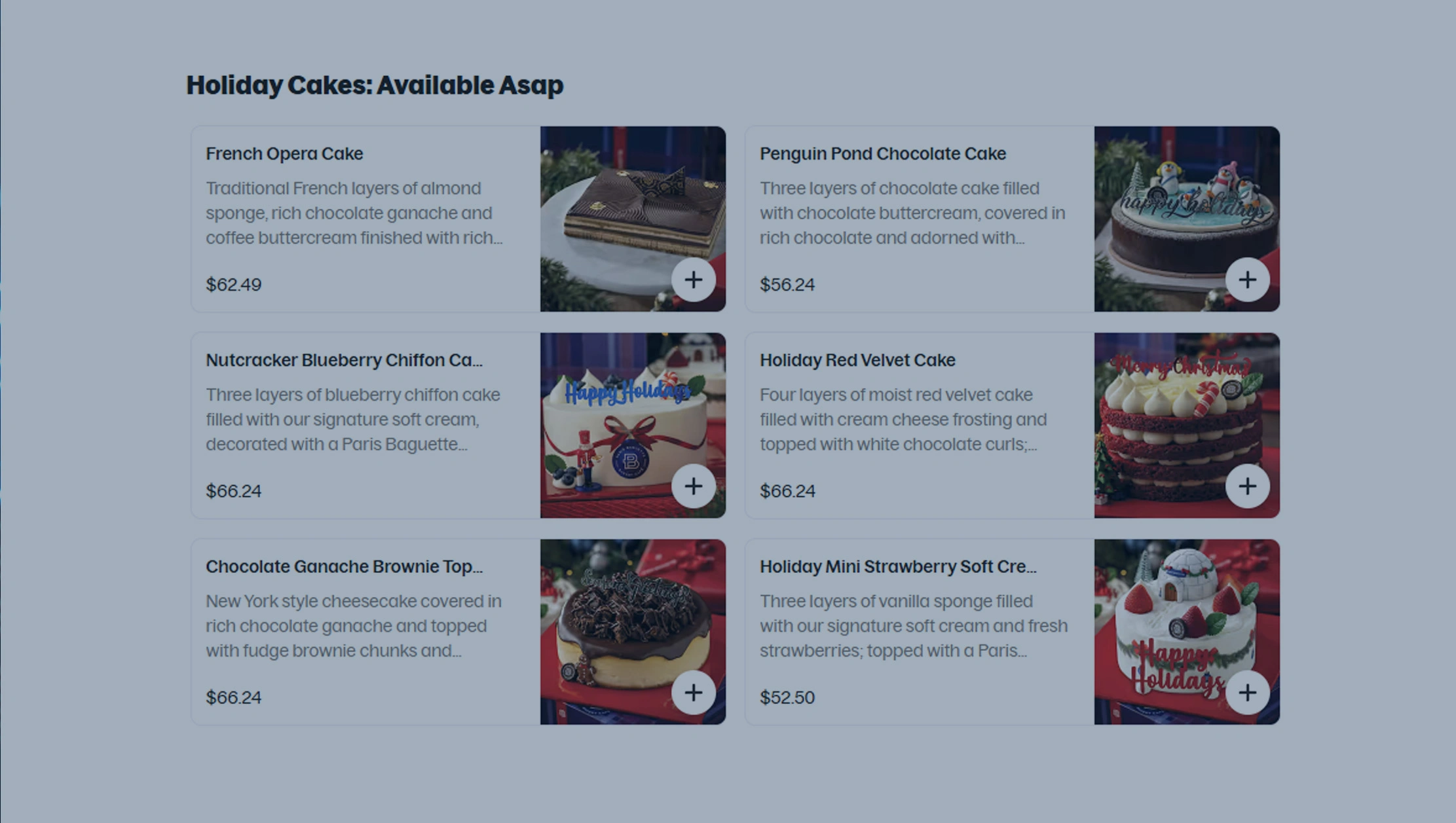
Menu inaccuracies are a silent but costly problem for food brands operating across multiple delivery platforms. Incorrect prices, unavailable items, or missing add-ons often lead to order cancellations, refunds, and negative reviews. In the UK market, a significant percentage of customer dissatisfaction originates from mismatched menu information rather than food quality or delivery delays.
Through Food Menu Price Scrape, brands can continuously verify that listed prices match internal systems. This process helps identify outdated listings before they affect customer experience. Additionally, Price Variation Analysis allows businesses to flag unusual deviations that may indicate operational errors rather than strategic pricing decisions.
The following table demonstrates how structured monitoring reduces financial leakage:
| Performance Metric | Before Monitoring | After Monitoring |
|---|---|---|
| Order Cancellation Rate | 15% | 6% |
| Pricing Complaints | 19% | 7% |
| Refund Requests | 12% | 4% |
By maintaining consistent menu accuracy across digital platforms, brands minimize purchase-stage friction and safeguard sustainable revenue performance. Incorporating UK Restaurant Menu Scraping within validation workflows further enhances data reliability, enabling seamless alignment between pricing, marketing, and operations teams while supporting a more resilient, customer-centric delivery strategy.
How Web Fusion Data Can Help You?
Advanced data solutions allow businesses to transform fragmented platform information into a single source of truth that supports faster, smarter decision-making. When applied strategically, Scraping Menu Data enables brands to identify pricing gaps, monitor changes instantly, and maintain consistent menu visibility across platforms without manual intervention.
Key advantages include:
- Centralised visibility across multiple platforms.
- Automated detection of pricing inconsistencies.
- Faster response to market fluctuations.
- Improved operational efficiency.
- Reduced customer complaints from mismatched menus.
- Enhanced revenue protection through data validation.
By integrating Real-Time Menu Data Scrape, businesses gain continuous access to live insights that support pricing stability, competitive positioning, and long-term growth within the UK food delivery ecosystem.
Conclusion
Brands that rely on fragmented checks struggle to keep pace with constant platform-driven changes. When supported by Scraping Menu Data, businesses can identify discrepancies early, align pricing strategies, and maintain trust across every customer interaction.
Brands ready to improve accuracy, reduce pricing friction, and strengthen platform performance can take decisive action today by adopting solutions through an Online Food Menu Scraper. Contact Web Fusion Data today and turn menu insights into measurable growth.