Introduction
The UK grocery ecosystem is undergoing a rapid transformation driven by instant purchasing, shorter delivery windows, and hyper-local consumer expectations. With millions of daily micro-transactions taking place across urban and suburban regions, quick commerce platforms have become the most accurate reflection of modern food demand patterns. The growing reliance on Online Grocery Data has enabled brands to move beyond historical assumptions and focus on real purchase behavior.
By analyzing over 50 million orders, UK Q-Commerce Data Scraping delivers a real-time snapshot of what consumers buy, when they buy it, and how preferences change across seasons, regions, and price bands. This depth of visibility allows food manufacturers, retailers, and private-label brands to forecast upcoming trends for 2026 with higher confidence.
More importantly, this intelligence supports proactive decision-making. Brands can identify emerging ingredients, packaging preferences, and dietary shifts months before they become mainstream. In a market defined by speed and convenience, data-driven foresight is no longer optional—it is foundational to long-term growth.
Decoding Instant Purchase Signals Across Urban Markets
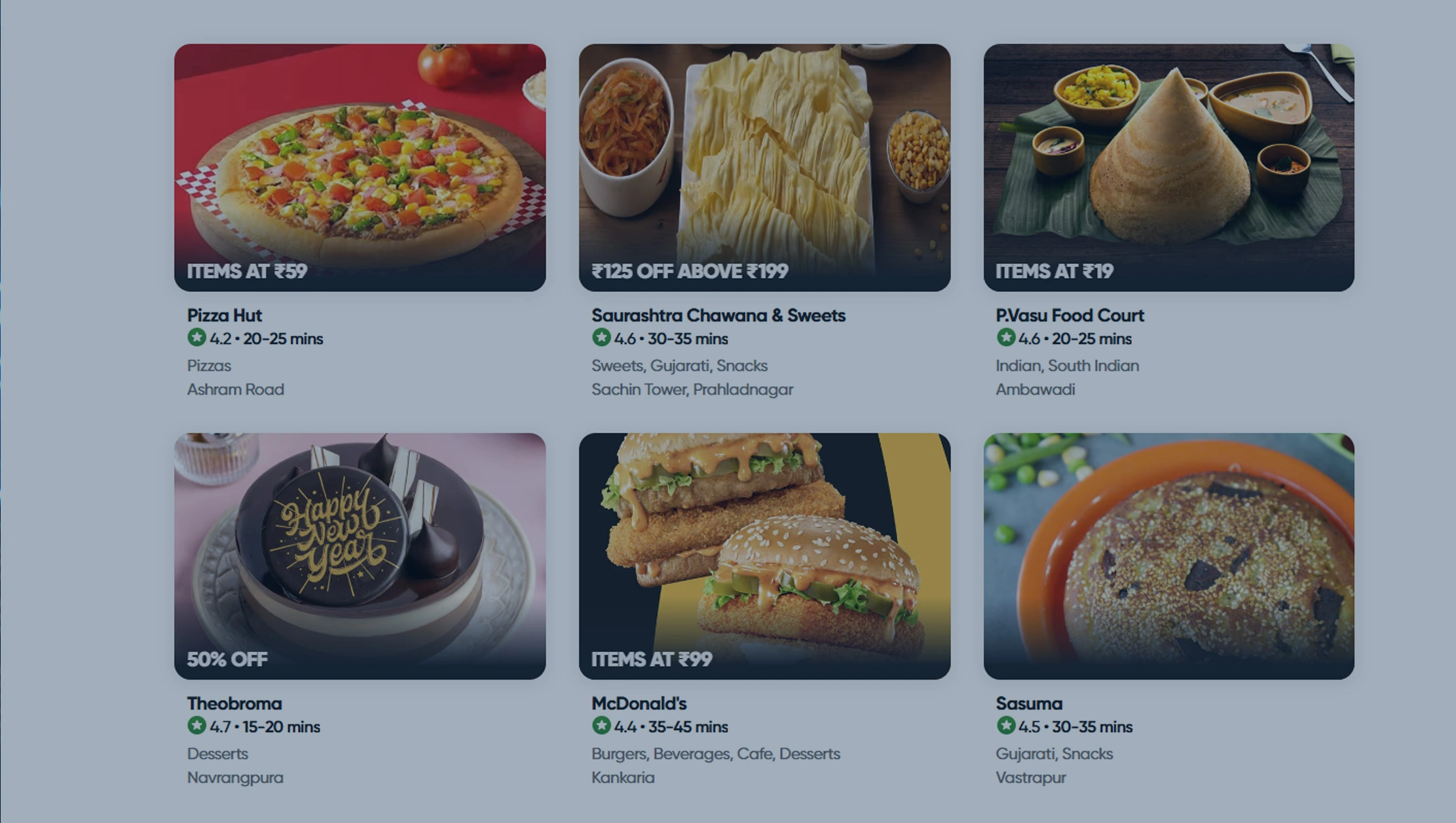
Quick commerce platforms reveal immediate consumption intent rather than planned shopping behavior, making them a powerful indicator of evolving food demand across the UK. These platforms capture real-world urgency—late-night cravings, workday meal substitutions, and weather-driven impulse buying—creating a detailed picture of how purchasing decisions are formed in minutes, not weeks.
This environment reflects how convenience and availability now outweigh traditional brand loyalty in many food categories. By observing order frequency, delivery timing, and basket composition, businesses gain clarity into Fast Delivery Trends UK, where speed directly influences product selection. Items that solve instant needs consistently outperform long-shelf alternatives, reshaping how assortments are structured.
At the same time, granular behavioral patterns reveal Consumer Food Behavior UK, highlighting shifts toward portion-controlled packs, ready-to-eat meals, and functional snacks driven by lifestyle changes. These insights help brands move beyond assumptions and align offerings with real consumption moments. Instead of reacting to sales drops, companies can anticipate emerging preferences and respond with targeted product availability, pricing, and promotions.
Behavioral signals and strategic value:
| Observed Signal | What It Indicates | Business Application |
|---|---|---|
| Order timing peaks | Meal replacement needs | Assortment planning |
| Small basket size | Convenience priority | Pack size strategy |
| Repeat purchases | Habit formation | Retention focus |
| Location clustering | Local taste profiles | Regional launches |
Understanding these rapid signals allows brands to align closer with how people actually eat today. The result is improved relevance across hyperlocal markets where demand can vary block by block.
Closing Forecasting Gaps Through Continuous Data Streams
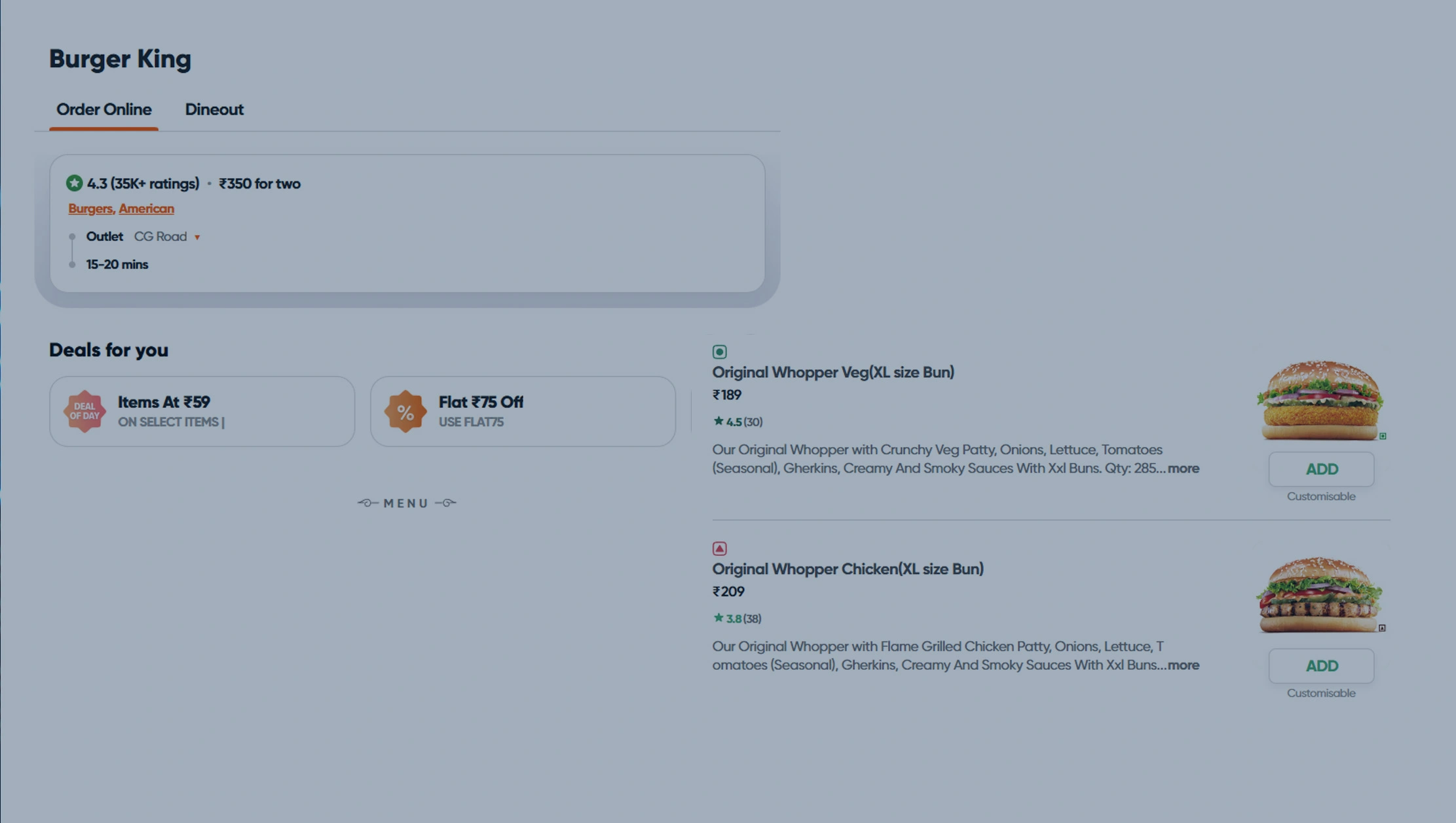
Traditional food demand forecasting relies heavily on delayed sales summaries, often missing early momentum shifts. Continuous data capture changes this dynamic by enabling Web Scraping Services to collect real-time updates from multiple platforms simultaneously. This approach replaces static snapshots with living datasets that reflect current consumer demand patterns as they unfold.
Through advanced processing, brands can apply Q-Commerce Analytics to detect category acceleration, slowing demand, or emerging substitutions before they become visible in conventional reports. For example, a sudden rise in dairy-free desserts or high-protein ready meals can be identified early enough to adjust sourcing and marketing strategies.
High-frequency inputs also improve confidence in short-term planning. Forecasts become adaptive rather than fixed, enabling teams to revise assumptions weekly instead of quarterly. As a result, inventory allocation, supplier coordination, and promotional planning become more resilient to market volatility.
Forecast performance comparison:
| Forecast Dimension | Legacy Methods | Continuous Signals |
|---|---|---|
| Demand accuracy | Moderate | Significantly higher |
| Trend detection speed | Delayed | Near real-time |
| Regional precision | Limited | Highly granular |
| Product launch insight | Reactive | Predictive |
By shifting to continuously refreshed intelligence, businesses reduce blind spots and gain clearer visibility into where demand is heading next.
Transforming Market Signals into Strategic Actions
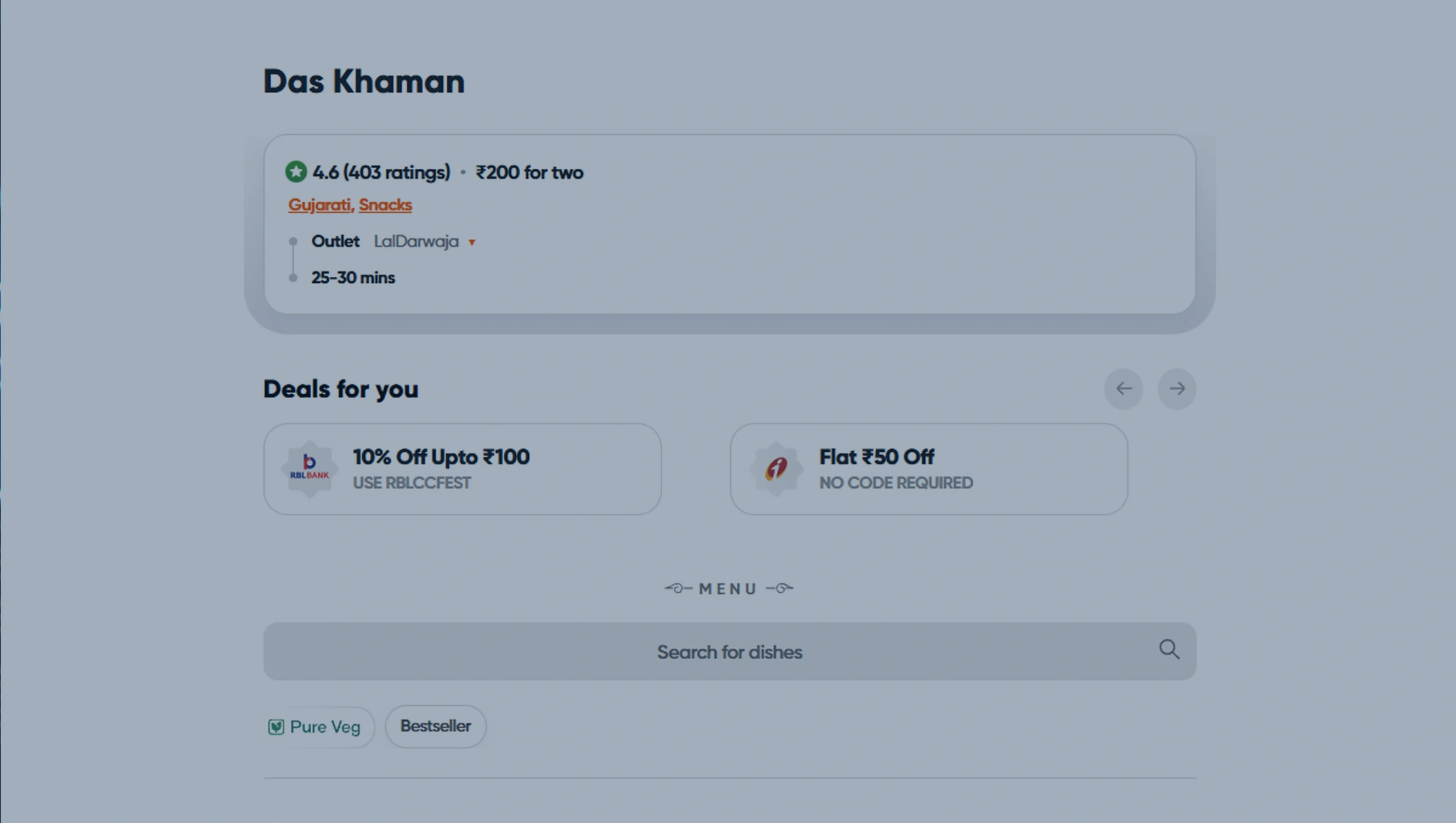
Raw data alone does not drive results; value emerges when insights guide execution. Actionable intelligence comes from interpreting competitive positioning, pricing movement, and assortment visibility through Q-Commerce Market Insights. These insights explain why certain products convert faster under time pressure while others struggle despite promotions.
When combined with structured Real-Time Data Analysis, brands can test strategic scenarios such as price sensitivity during peak demand windows or the impact of delivery speed on premium product adoption. This enables informed experimentation without exposing the business to unnecessary risk. Decisions around promotions, bundling, and product placement become evidence-based rather than instinct-driven.
Operational teams also benefit from clearer demand signals, allowing supply chains to adapt to rapid fluctuations. Marketing teams gain clarity on when and where messaging resonates most, while product teams identify whitespace opportunities aligned with actual consumption behavior.
Strategic applications of actionable intelligence:
| Business Function | Insight Applied | Outcome Achieved |
|---|---|---|
| Pricing strategy | Conversion response | Margin balance |
| Assortment design | Basket patterns | Higher relevance |
| Promotion timing | Demand velocity | Improved ROI |
| Supply planning | Order volatility | Reduced shortages |
By converting live market signals into structured decisions, organizations move from reactive operations to proactive growth strategies.
How Web Fusion Data Can Help You?
In today’s fast-moving grocery ecosystem, predictive clarity comes from UK Q-Commerce Data Scraping that converts millions of daily transactions into forward-looking intelligence. We help businesses interpret rapid delivery signals, understand demand shifts, and align strategies with real consumer behavior across the UK market.
Our support includes:
- Multi-platform order monitoring at scale.
- Hyperlocal demand pattern identification.
- Competitive assortment benchmarking.
- Pricing movement and promotion tracking.
- Consumer preference shift analysis.
- Data-ready dashboards for strategic teams.
By integrating these capabilities, brands move faster from insight to action while maintaining accuracy and relevance. The result is confident planning powered by Real-Time Data Analysis that supports smarter decisions across innovation, marketing, and supply operations.
Conclusion
Predicting what UK consumers will eat next requires intelligence that reflects real buying moments, not delayed summaries. UK Q-Commerce Data Scraping provides a direct window into evolving preferences, enabling reliable Food Trends Prediction based on millions of live orders rather than assumptions.
As rapid delivery continues to shape shopping habits, businesses that align with Consumer Food Behavior UK gain a measurable advantage in planning, innovation, and growth. Partner with Web Fusion Data to transform raw q-commerce signals into strategies that drive confident decisions and future-ready food portfolios.