Introduction
Digital marketplaces have fundamentally altered how consumers evaluate products and services, placing authentic feedback at the center of purchasing decisions. Brands across the United States recognize the critical importance of understanding emotional tones, recurring themes, and purchasing motivators hidden within thousands of online reviews. Implementing Customer Review Sentiment Analysis enables organizations to systematically decode user opinions, transforming unstructured feedback into strategic intelligence that drives product development and marketing initiatives.
Modern businesses require sophisticated methods to process vast volumes of consumer commentary appearing across multiple platforms daily. Through Review Data Scraping USA, companies can aggregate feedback from diverse sources, creating comprehensive datasets that reveal regional preferences, seasonal trends, and emerging consumer concerns. This systematic collection empowers brands to identify quality issues before they escalate, recognize successful product features, and understand the emotional resonance of their offerings with target audiences.
The integration of advanced analytical frameworks allows organizations to move beyond simple star ratings toward nuanced understanding of consumer sentiment. By extracting and categorizing feedback according to specific attributes, businesses gain actionable perspectives on what truly influences buyer behavior. With structured approaches to sentiment extraction, companies can refine their competitive positioning, enhance customer engagement strategies, and build products that genuinely address market needs.
Understanding the Client's Requirements
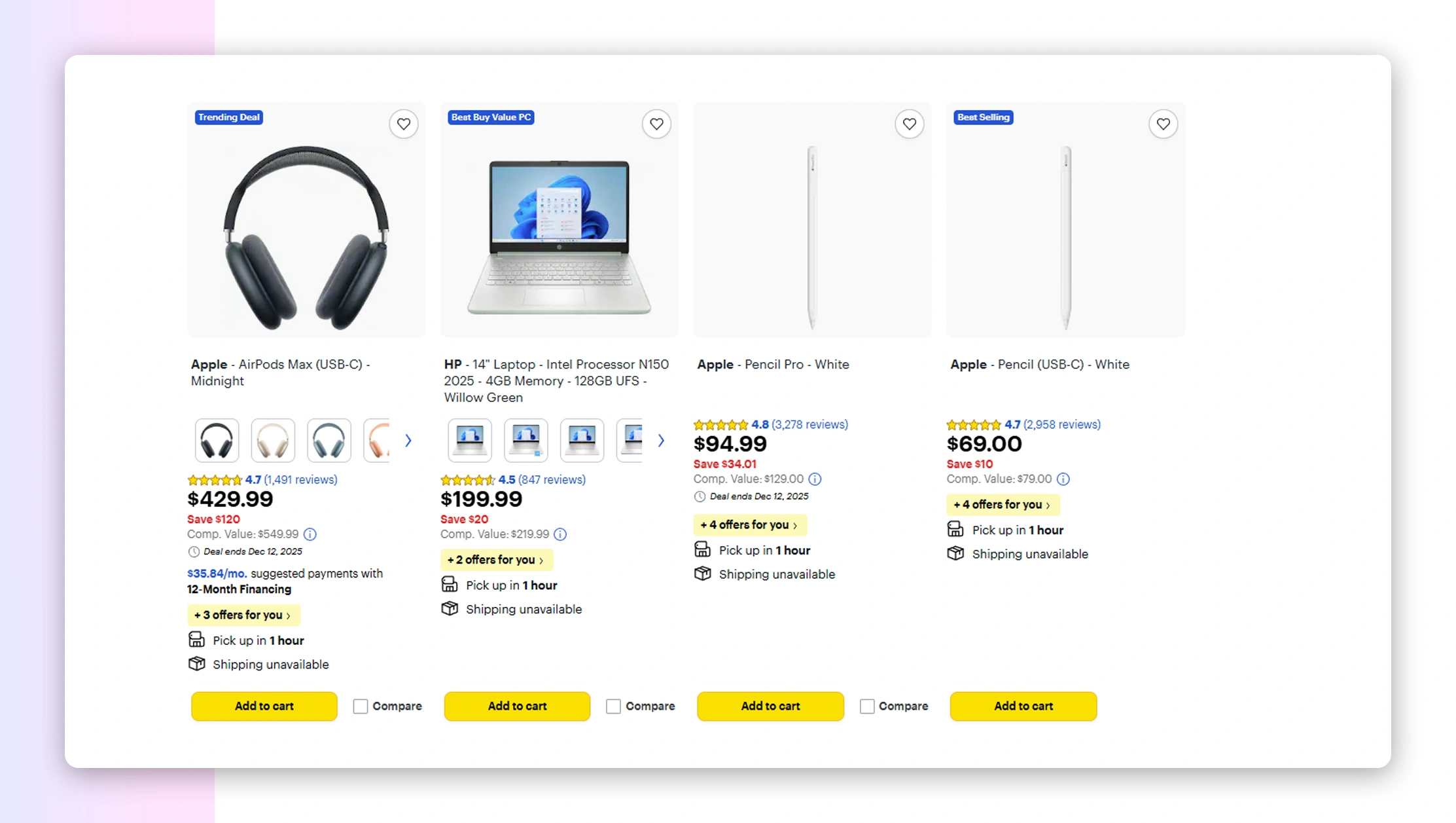
An established e-commerce aggregator specializing in consumer electronics wanted to transform how they interpreted buyer feedback across their extensive product catalog. Their platform hosted thousands of product listings, each accumulating hundreds of reviews monthly, creating an overwhelming volume of unstructured data that traditional analysis methods couldn't efficiently process. The leadership team recognized that hidden within this feedback were critical insights about product quality, feature preferences, and service expectations that could significantly impact their inventory decisions and vendor partnerships.
Their existing approach relied on manual sampling of reviews, which proved time-consuming and prone to selection bias. The team needed systematic methods to Scrape Customer Feedback from multiple marketplaces simultaneously while maintaining data integrity and attribution accuracy. Additionally, they sought to identify correlations between sentiment patterns and actual purchase behavior, allowing them to predict which products would generate sustained demand versus those likely to face returns or negative word-of-mouth.
The organization also faced competitive pressure from rivals who seemed to anticipate market shifts more effectively. They required a framework capable of delivering User Preference Analysis Reviews that could highlight emerging trends in consumer expectations, identify gaps in their current product offerings, and provide early warning signals about quality concerns. By developing this capability, they aimed to transition from reactive customer service responses to proactive product curation and strategic positioning. The ultimate goal was creating a centralized intelligence system that would inform merchandising decisions, optimize pricing strategies, and enhance overall customer satisfaction through data-driven understanding of authentic consumer sentiment.
Obstacles Facing the Organization
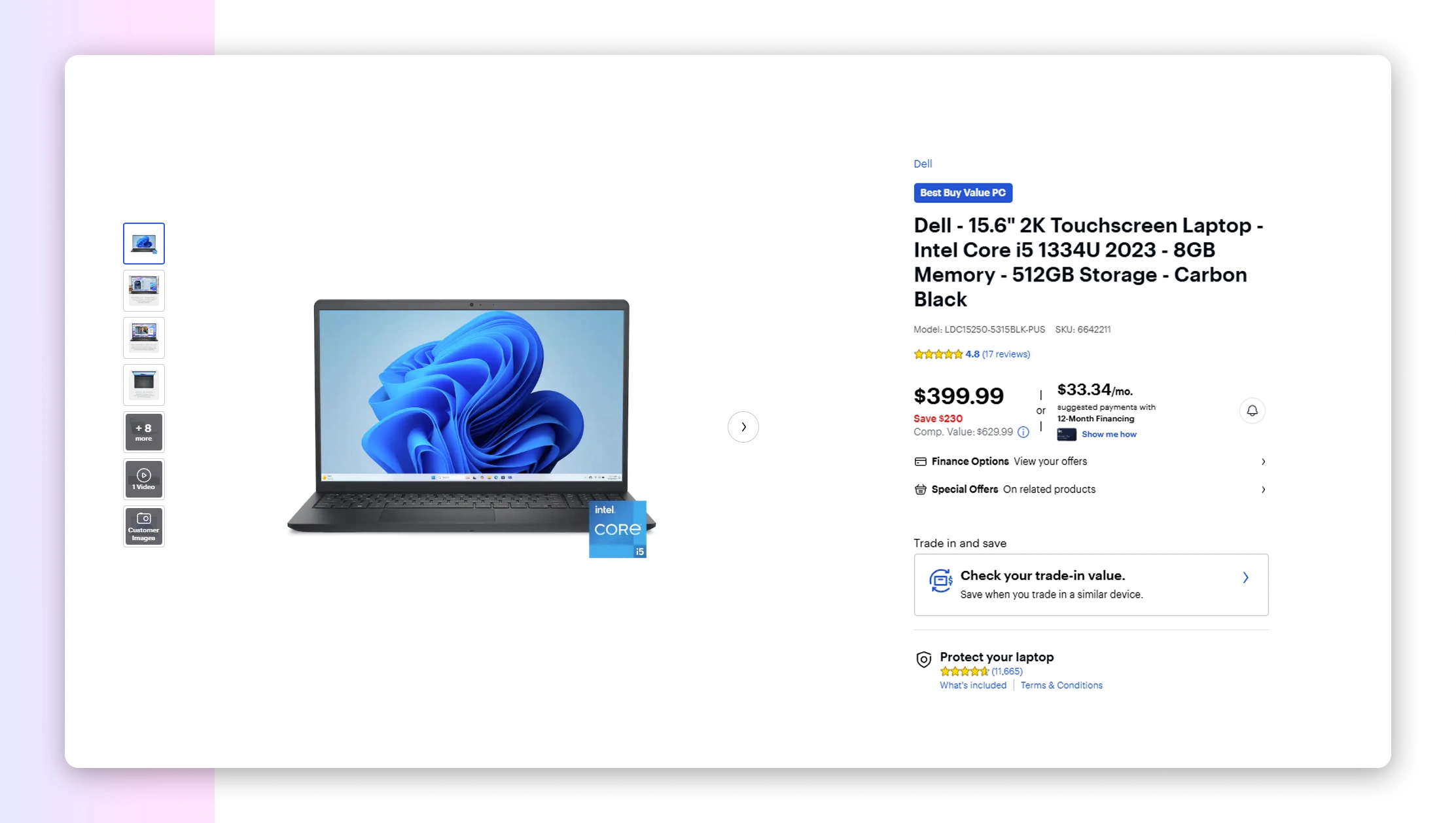
Prior to implementing advanced analytical frameworks, the client struggled with fragmented systems that provided incomplete visibility into customer perceptions. Their decentralized approach to monitoring feedback meant that critical insights were often discovered weeks after sentiment trends had already impacted sales performance.
The absence of standardized methods for capturing and categorizing reviews created inconsistencies in how different teams interpreted customer concerns. One significant barrier involved the complexity of processing feedback that required sophisticated Sentiment Analysis of Reviews across diverse product categories with varying technical specifications.
Primary obstacles included:
- Inconsistent methods for collecting feedback across different marketplace platforms and vendor channels
- Limited capability to apply Review Scraping Tools that could handle scale while maintaining accuracy
- Absence of real-time monitoring systems to detect sudden shifts in consumer sentiment patterns
- Difficulty connecting sentiment trends with specific product attributes or service touchpoints
- Fragmented understanding of how pricing perceptions influenced overall satisfaction ratings
- Lack of standardized metrics to benchmark sentiment across different product categories
These limitations created substantial gaps in their strategic planning capabilities. Without reliable frameworks to Analyze Online Reviews systematically, the organization frequently made merchandising decisions based on incomplete information. This reactive approach not only affected inventory management but also weakened their ability to negotiate with suppliers based on objective quality feedback.
Strategic Implementation Framework

The client required a comprehensive solution that could unify feedback collection, automate sentiment classification, and deliver actionable intelligence through intuitive visualization tools. By developing customized extraction protocols using USA Customer Review Insights methodologies, a robust pipeline was established to capture, process, and categorize feedback at scale.
The implementation included:
- Automated collection systems designed to gather reviews from multiple platforms while preserving contextual information
- Advanced natural language processing algorithms to classify Product Review Sentiment across multiple dimensions
- Custom dashboards enabling real-time monitoring of sentiment trends segmented by product category and price range
- Integration of historical sentiment data with sales performance metrics to identify predictive patterns
- Development of alert mechanisms to flag sudden negative sentiment spikes requiring immediate investigation
- Application of machine learning models to detect emerging themes in consumer preferences before they became mainstream
These strategic components created an integrated ecosystem where raw feedback was transformed into structured intelligence. The implementation of scalable Dynamic Pricing Services analysis allowed the client to understand how pricing perceptions influenced overall satisfaction scores. By connecting sentiment patterns with transactional data, the organization gained unprecedented visibility into the relationship between customer emotions and purchasing decisions.
Advantages of Partnering with Web Fusion Data
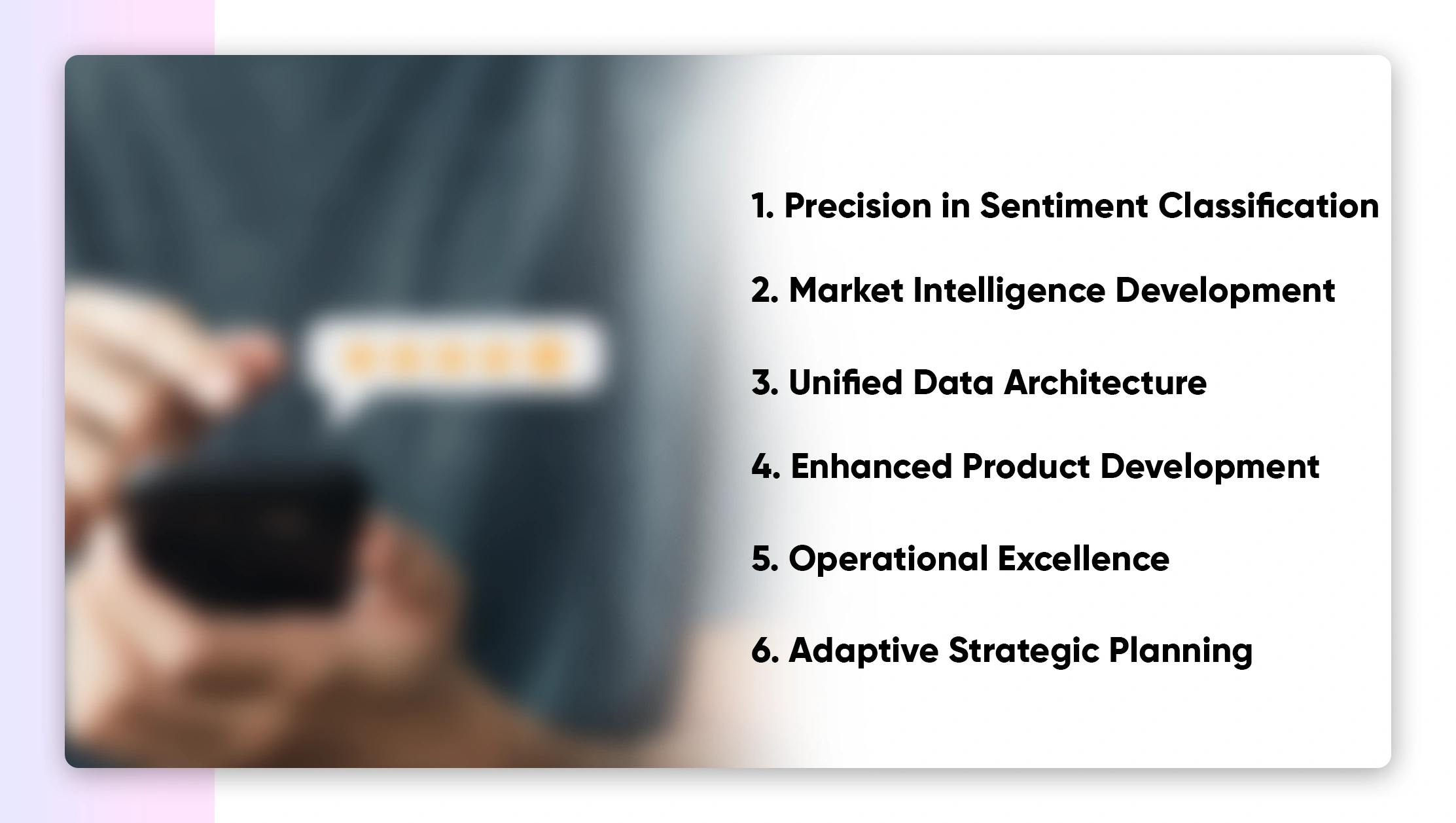
The following advantages demonstrate how strategic data solutions enable businesses to enhance product offerings, strengthen competitive positioning, and build lasting customer relationships.
Precision in Sentiment Classification
Through systematic application of advanced analytical methods, businesses achieve accurate interpretation of emotional tones within feedback, enabling them to distinguish between minor concerns and critical quality issues requiring immediate attention.
Market Intelligence Development
Organizations gain comprehensive understanding of competitive landscapes by examining sentiment patterns across product categories, revealing opportunities for differentiation and identifying potential threats from emerging alternatives.
Unified Data Architecture
Seamless integration of extracted feedback into centralized platforms ensures consistent access to sentiment intelligence across departments, eliminating information silos and enabling coordinated strategic responses.
Enhanced Product Development
By identifying recurring themes and feature requests within consumer feedback, companies can prioritize development initiatives that align with authentic market demands rather than assumptions.
Operational Excellence
Automated sentiment monitoring reduces manual effort while increasing coverage, allowing teams to process exponentially more feedback and respond to emerging issues before they escalate.
Adaptive Strategic Planning
Continuous feedback analysis enables organizations to adjust positioning strategies dynamically, maintaining relevance as consumer preferences evolve and competitive dynamics shift.
Intelligence Derived from Systematic Feedback Evaluation
| Analysis Dimension | Strategic Purpose | Applied Technique | Measurable Impact |
|---|---|---|---|
| Emotional Tone Classification | Categorize positive and negative feedback | Natural language processing algorithms | 78% accuracy in sentiment detection |
| Feature-Specific Feedback | Identify product attributes driving satisfaction | Aspect-based sentiment extraction | 340+ attributes analyzed monthly |
| Temporal Sentiment Patterns | Track satisfaction evolution over product lifecycle | Time-series sentiment mapping | 45-day trend prediction capability |
| Price-Value Perception | Evaluate pricing sentiment across segments | Comparative pricing analysis | 23% improvement in pricing strategy |
| Competitive Positioning | Benchmark satisfaction versus alternatives | Cross-platform sentiment comparison | 15 competitors monitored continuously |
This framework illustrates the transformation of dispersed consumer feedback into organized strategic intelligence. By applying systematic extraction and classification methods, organizations can anticipate market shifts and align their offerings accordingly. The structured approach enables identification of micro-trends before they develop into significant market movements.
These insights support proactive decision-making across product curation, marketing messaging, and customer service priorities. Integration of multiple analytical dimensions provides comprehensive understanding of consumer perceptions, enabling organizations to maintain competitive advantages through authentic responsiveness to market signals.
Client Testimonial
Collaborating with Web Fusion Data has revolutionized our approach to understanding consumer preferences. The implementation of Customer Review Sentiment Analysis provided clarity we never achieved through traditional methods. Their systematic framework for processing thousands of reviews simultaneously gave us confidence to make strategic decisions about product selection and vendor partnerships. The ability to identify sentiment patterns early has significantly improved our operational responsiveness and customer satisfaction metrics.
– Director of Merchandising Strategy, Premium Electronics Platform
Conclusion
The project clearly showed how a structured approach to interpreting large-scale customer opinions can accelerate smarter decision-making for digital brands. By placing Customer Review Sentiment Analysis at the center of the process, the client turned scattered feedback into practical insights that supported sharper product alignment, better pricing perspectives, and a stronger competitive stance.
Building on this foundation, the team adopted an expanded analytical process that offered a clearer view of real buyer attitudes across diverse channels. This was made possible through Review Data Scraping USA, which helped refine inventory choices, strengthen supplier coordination, and elevate customer satisfaction across the board. Connect with Web Fusion Data today to explore how our custom sentiment intelligence solutions can help you decode customer behavior and drive meaningful engagement.